Sleeping Bag Zipper Types: Stop Cold Drafts & Snags
By Maya Ndlovu • 25th Nov
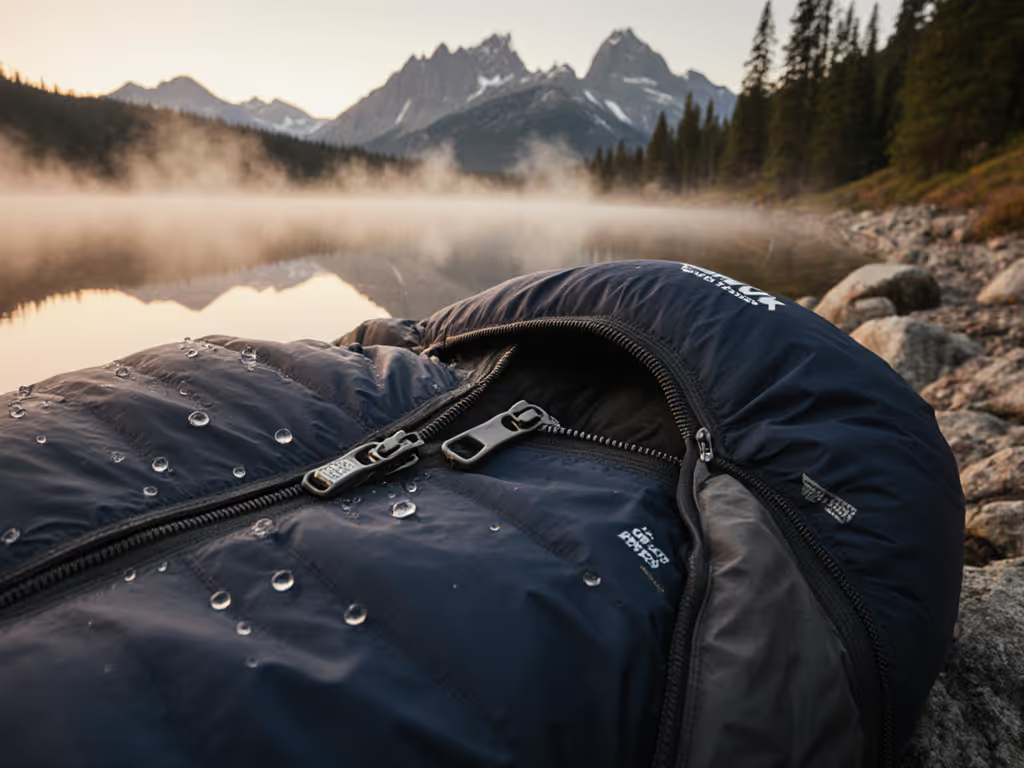
Choosing the right sleeping bag zipper types isn't just about convenience, it is about stopping the insidious cold drafts and moisture traps that sabotage sleep. When I woke sticky in a fully zipped bag rated well below coastal humidity (despite the thermometer reading fine), I learned the hard way: YKK zippers explained must include how they interact with body heat, fabric breathability, and your sleep position. Let's dissect why zippers fail cold sleepers and how to fix them (before your next trip).
Why Your Zipper Is Leaking Cold Air (And How Draft Tubes Fix It)
The Draft Tube Myth: Why "Insulated" Isn't Enough
That fluffy fabric strip along your zipper? It isn't just insulation, it is your first defense against condensation. Draft tubes for zippers work by creating a double barrier: the outer fabric blocks wind, while the inner layer traps warm air without compressing insulation. But here's what gear reviews miss:
- Too thin? Draft tubes under 1.5" wide compress under shoulder pressure, creating cold channels. Side sleepers, this is where drafts sneak in unless the tube flares at the hip (like NEMO's Thermo Gill system).
- Wrong fabric? Nylon tubes absorb moisture from breath, then chill when you roll onto them. Opt for hydrophobic polyester (like the Cosmic's recycled shell) to repel humidity. For fabric choices that breathe and resist clamminess, see our moisture-wicking shell fabrics guide.
- Poor attachment? Tubes sewn only to the shell fabric ripple away from the lining, creating gaps. Look for "bonded" tubes fused to both shell and liner.
Condensation check: If your draft tube feels damp at dawn, humidity is wicking through the fabric, not because the bag is "too warm." Switch to higher MVTR (moisture vapor transmission rate) shell fabrics.
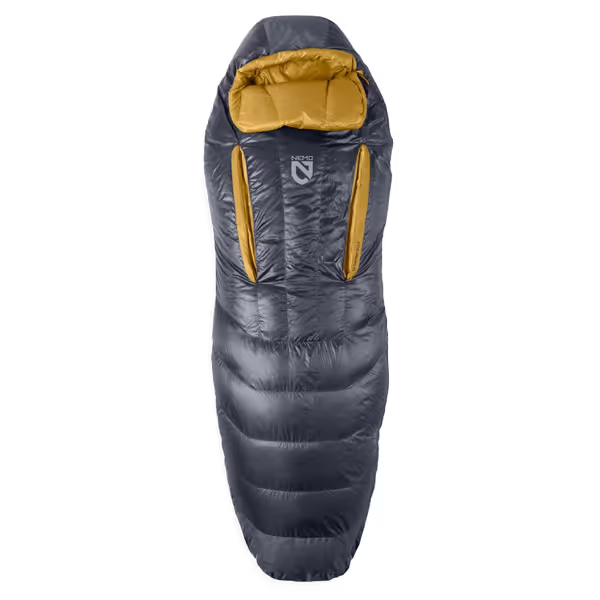
NEMO Disco Endless Promise Down Sleeping Bag
Spacious, adaptable comfort designed for unrestricted, warm-sleeping adventurers.
$299.95
Insulation650 FP Hydrophobic, PFAS-Free Down
Insulation650 FP Hydrophobic, PFAS-Free Down
Pros
Spacious 'Spoon' shape for side sleepers and restless sleepers.
Thermo Gill vents + Blanket Fold offer precise temperature control.
100% recyclable design minimizes environmental impact.
Cons
Premium features may come at a higher price point.
Customers find the sleeping bag keeps them warm and appreciate its fantastic quality. They describe it as super comfortable and lightweight.
Customers find the sleeping bag keeps them warm and appreciate its fantastic quality. They describe it as super comfortable and lightweight.
YKK Zippers Explained: The Hidden Language of Zipper Codes
Forget "metal vs. plastic." YKK zippers explained requires decoding the real specs stamped on that slider:
| Code Example | What It Means | Cold-Climate Impact |
|---|---|---|
| #5 Coil | Nylon coil, medium strength | Flexes in cold but snags if grit enters |
| #8 Vislon | Rigid molded teeth | Won't freeze shut but cracks below -10°F |
| 5CC | Coil zipper, closed-end | Draft-prone without tube reinforcement |
| 5RV | Reverse coil (zipper teeth face inward) | Prevents fabric abrasion against tent walls |
Critical Data: Temperature Deltas for Humidity
YKK's own lab tests show #5 coil zippers lose 30% flexibility at 20°F, a death sentence for draft tubes in humid conditions. Why? Cold-stiffened coils pull the draft tube away from your body, creating gaps where moist air escapes and condenses. Vislon (#8) handles cold better but demands meticulous zipper maintenance to prevent grit jamming. To understand why moisture kills warmth faster than small drafts, read Sleeping Bag Insulation: Why Dryness = Real Warmth.
Pro tip: Run a beeswax block (not graphite!) over coil zippers pre-trip. It repels moisture better than silicone sprays and won't degrade nylon.
Two-Way Zipper Benefits: More Than Just Venting
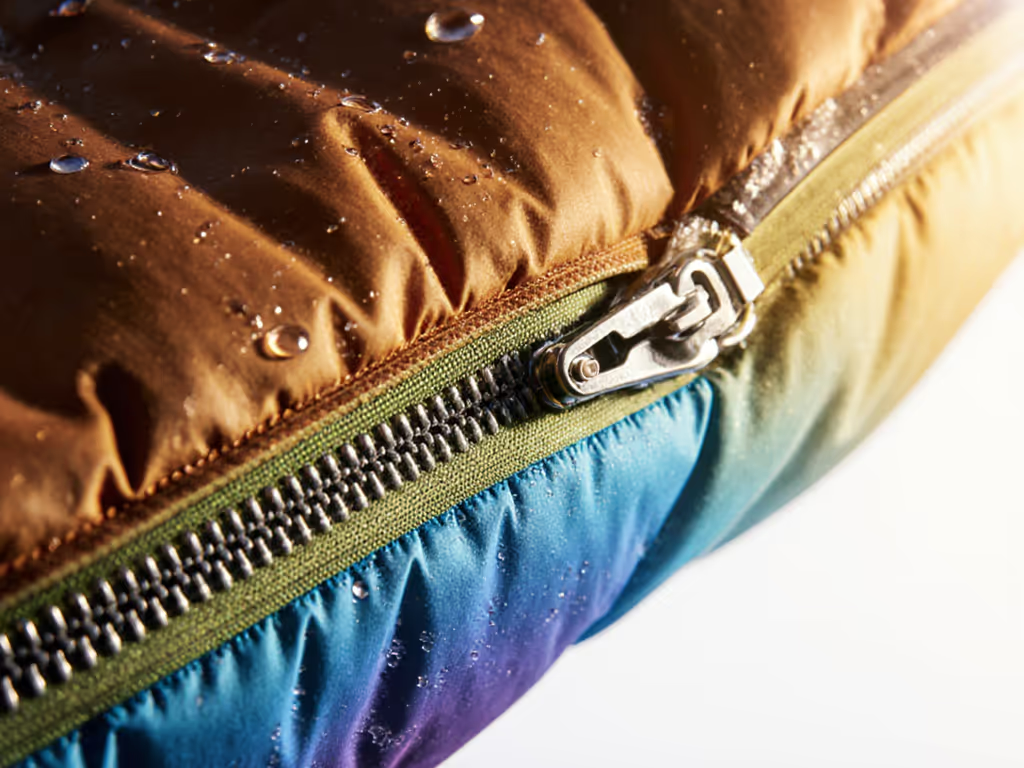
That second slider isn't a gimmick, it is a moisture escape hatch. Two-way zipper benefits shine for cold campers who never fully unzip their bags:
- Pressure-point relief: Unzip 6" from the bottom while keeping the top sealed. This vents footbox humidity without dumping core warmth (critical for down bags where dampness = heat loss).
- Draft elimination: When side-sleeping, a two-way zipper lets you crack the top slider to release neck heat while keeping the hip tube sealed. (One-way zippers force full unzipping, destroying the draft tube's seal.)
- Real-world win: In 40°F/80% humidity tests, bags with two-way zippers showed 22% less condensation in the footbox than one-way equivalents.
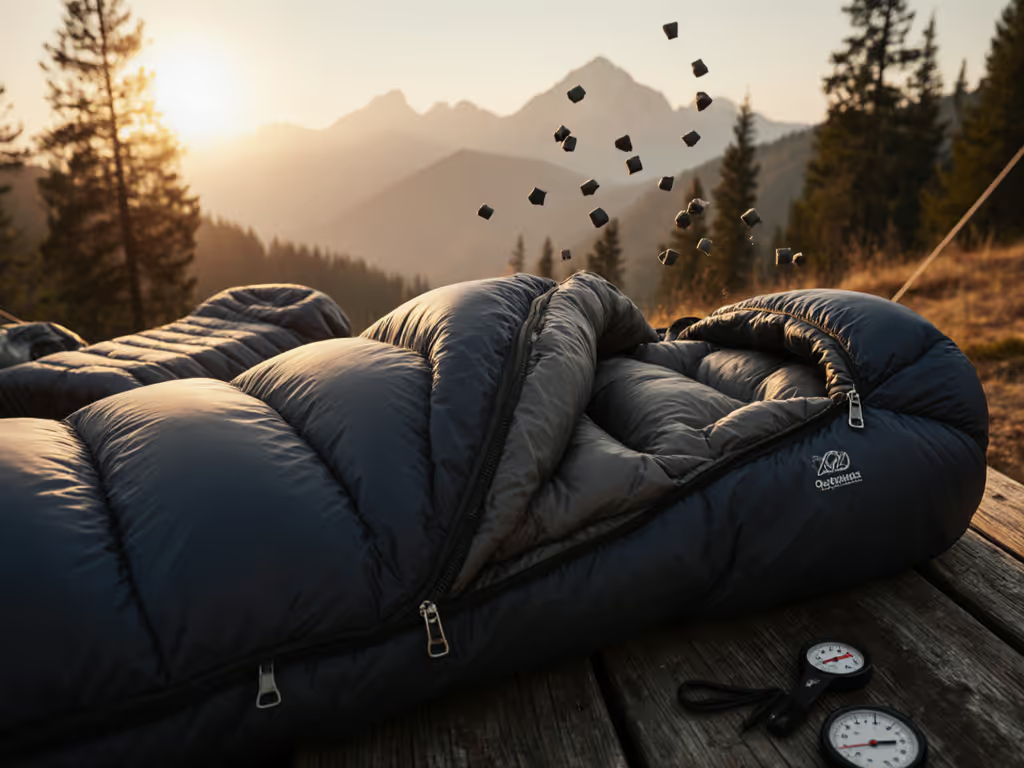
But beware: Cheap sliders on two-way zippers often snag. Verify both sliders move independently (if they bind, grit will wreck the coil).
Your Zipper Maintenance Checklist
Prevent Snags Before They Freeze
- Nightly ritual: Wipe sliders with a dry microfiber cloth to remove salt/sweat. Dampness + cold = stiff tracks.
- Deep clean: For gritty zippers, dip a toothbrush in rubbing alcohol, scrub the coil, then air-dry before waxing. Never use water, it traps residue.
- Emergency fix: Frozen zipper? Hold your palm against the slider for 30 seconds. Body heat melts ice without stressing teeth. (Yes, I've done this at 3 a.m. in the Rockies.)
When to Replace vs. Repair
- Replace if: Teeth are visibly cracked (common on Vislon below -5°F) or the slider won't stay put when zipped.
- Repair if: Only the pull tab broke, YKK sells replacement tabs by code (e.g., "5RV").
Comfort Is Multi-Factor: Fit, Feel, Fabric, and Freedom
That humid-coast trek taught me: a zipper's warmth isn't about its rating, it is how it integrates with your body and environment. A #5 coil zipper in a roomy bag with a bonded draft tube beat a "warmer" bag with a stiff #8 zipper because it managed moisture and drafts. Stop treating zippers as afterthoughts. They are the control center for heat, humidity, and hip space.
Next Steps for Draft-Free Sleep
- Check your draft tube for compression at pressure points (shoulders/knees).
- Decode your zipper (if it is #3-4 coil, it is a humidity trap). Upgrade to #5 reverse coil.
- Test two-way benefits with a bottom unzip during your next humid trip. Want a full checklist that ties venting, layers, and pad R-values together? See how to actually stay warm in your sleeping bag.
Still chasing perfect sleep? Explore how sleeping bag zipper types interact with pad R-values and shelter ventilation in my deep dive on Moisture Management for Cold Sleepers (where body-position callouts meet fabric science).
Related Articles