Canoe vs Backpacking Sleep Systems: Moisture & Weight Truths
By Rina Takahashi • 30th Nov
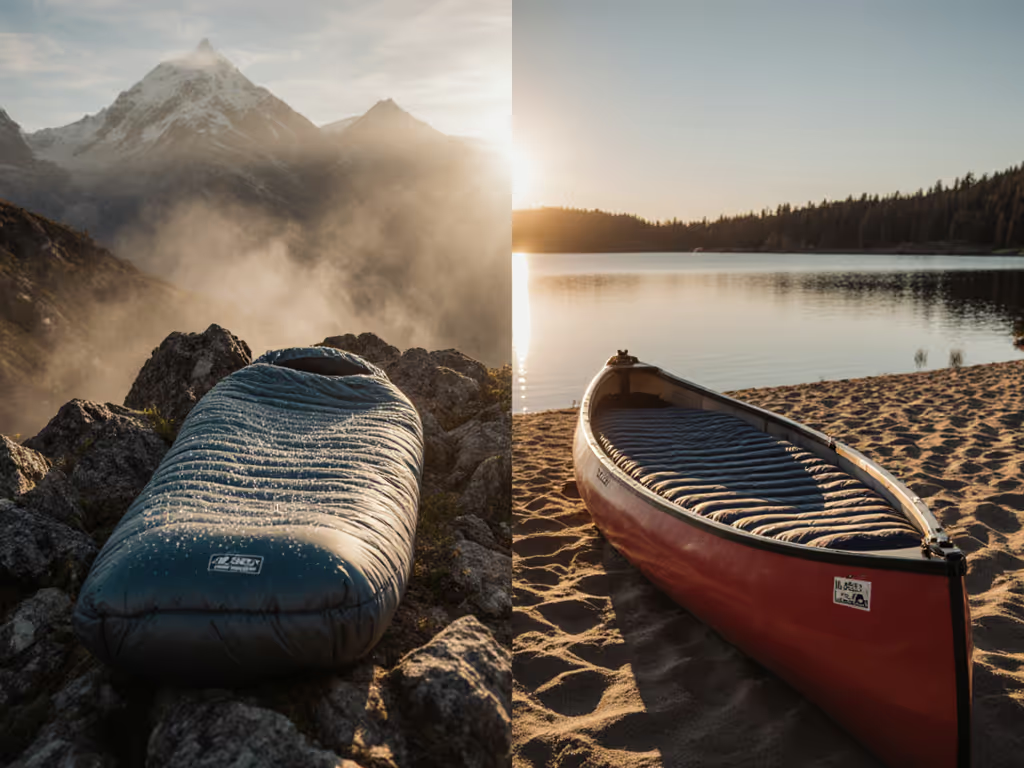
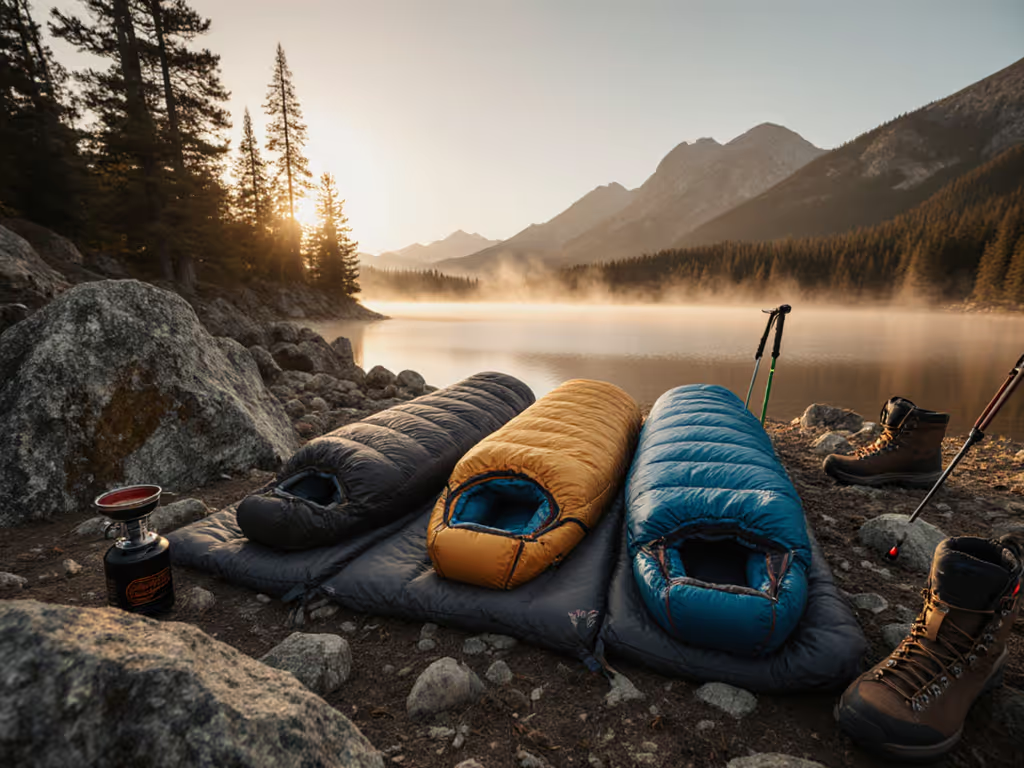
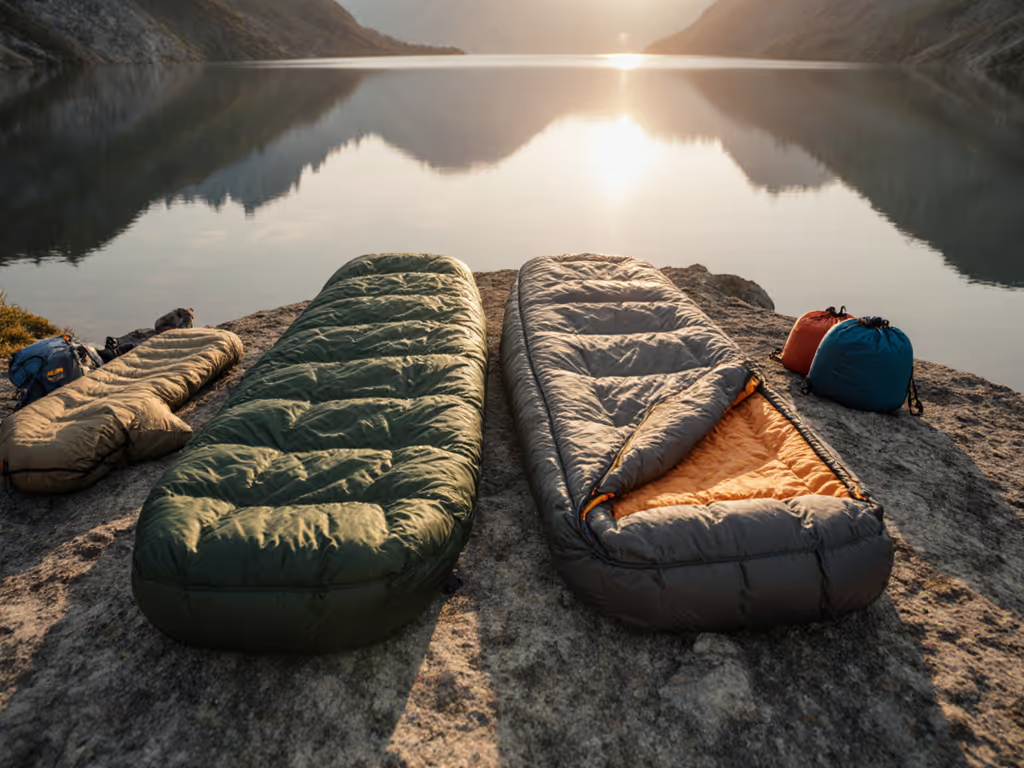
When your hip bone grinds against granite while portaging a canoe, or your backpacking sleep system fails at 40°F despite a "20F" bag rating, the difference between misery and dreamless sleep lies in canoe vs backpacking sleep systems. Unlike car camping sleeping bags propped on air mattresses under starlight, water-based adventures demand moisture-smart, wind-adaptive systems where ounces saved on your back can cost warmth in damp conditions. Warmth is earned by the system: bag, pad, shelter, wind management, and fuel.
I've learned this through hard experience. Once, above treeline in steady wind, my supposedly adequate kit left me shivering despite correct ISO ratings, a brutal lesson in how moisture and wind rewrite thermal physics. Today, I optimize systems for alpine and shoulder-season trips where water meets wind. This guide cuts through marketing noise with pad-first logic and wind and calorie adjustments for your actual conditions.
Why Your Backpacking Sleep System Fails on Canoe Trips
Backpackers obsess over weight and compression. Canoe campers prioritize resilience against moisture and repeated handling. The critical divergence:
-
Moisture exposure: Backpacking sleep systems face condensation from one source (your tent). Canoe systems battle tent condensation plus spray from paddling, frequent gear sogging during portages, and humid lake air trapping body moisture against your bag. Forum users consistently report this dilemma: "How do down bags hold up for a week of camping with moisture expelled by a sleeping body in the Pacific Northwest where it's damp all the time?" (West Coast Paddler Forums).
-
Wind exposure: Carrying gear in open canoes exposes shelter setups to wind-driven rain. Unlike backpacking tents taut against trees, canoe tarp shelters often have gaps where wind siphons heat. As one Boundary Waters veteran noted: "On single portages, I found it reasonably easy to carry the canoe and the [pack], something I couldn't do with my hiking pack" but this adaptability sacrifices wind baffling.
-
Weight tolerance: Backpacking demands sub-2lb sleep systems. Non-weight-constrained sleep systems for canoes allow heavier, more durable fabrics (like cotton canvas) that wick moisture better than ultralight nylons. But "heavier" doesn't mean smarter, it means strategic weight allocation toward moisture control.
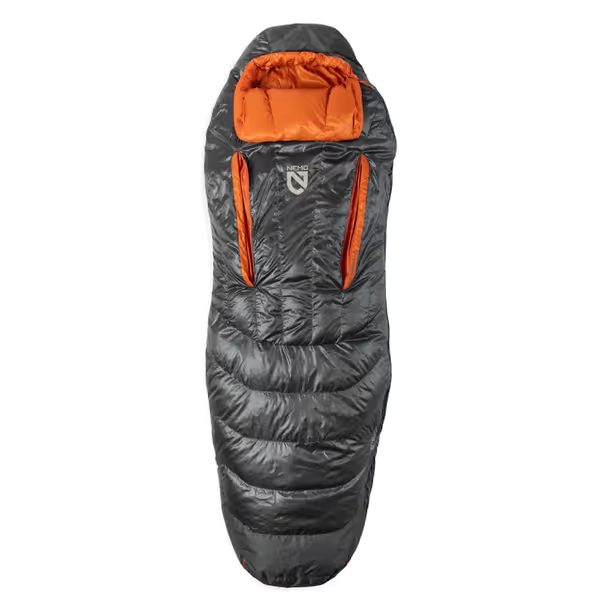
Nemo Disco Endless Promise Down Sleeping Bag
Adaptive comfort and sustainable design for versatile, warm sleep.
$289.95
Fill Power650 FP Hydrophobic Down
Fill Power650 FP Hydrophobic Down
Pros
Spoon shape offers crucial room for side sleepers.
Integrated Thermo Gills & Blanket Fold for fine-tuned temperature control.
100% recyclable design and RDS-certified down.
Cons
Premium features typically come at a higher price point.
Customers find the sleeping bag keeps them warm and appreciate its fantastic quality. They describe it as super comfortable and lightweight.
Customers find the sleeping bag keeps them warm and appreciate its fantastic quality. They describe it as super comfortable and lightweight.
Moisture Management: The Down vs Synthetic Reality Check
Conventional wisdom claims "down packs smaller; synthetic handles wet." Reality is nuanced: For a comprehensive comparison including hydrophobic treatments and drying times, see our down vs synthetic sleeping bags guide.
| Factor | Down in Canoe Contexts | Synthetic in Canoe Contexts |
|---|---|---|
| Real-world moisture | Hydrophobic down (like NEMO Disco's 650FP) resists light dampness but loses loft if soaked. "The fabric is quite breathable, so even if I misjudged temps... moisture dissipated by morning" (GearJunkie's 50-night BWCA test) | Retains ~60% warmth when wet but adds bulk. Ideal for humid coastal trips where saturation is inevitable |
| Moisture transfer | Critical! Down compresses under damp weight (e.g., from a wet tent wall), creating cold spots. Requires vigilant venting | Less affected by compression but slower to dry, trapping moisture next to skin |
| Wind impact | Wind evaporates moisture faster, cooling you, a false sense of dryness. Requires padding R-value margins | Wind accelerates moisture buildup in synthetics, compounding chill |
pad-first logic dictates: A high R-value pad (>= 4.5) is non-negotiable in damp conditions. It breaks the ground-to-sleeping-mat moisture transfer loop. No bag compensates for a 2.5 R-value pad on cold, damp earth.
Scenario: You're canoe camping in Maine's foggy lakes at 45°F. Wind gusts 15mph under a tarp.
- Backpacker approach: 1.5lb down quilt + R3.5 pad. Result: Shivering by 2AM as moisture saturates quilt footbox.
- Canoe system: 3lb hydrophobic down bag + R5 pad + double-wall tent + Thermo Gill venting. Result: Dry, draft-free sleep at 38°F. If you're debating quilts vs traditional bags for weight savings, start with our sleeping bags vs quilts comparison.
Weight Allocation: Where Ounces Truly Matter
Car-camping sleeping bags for canoe trips ignore key weight truths:
-
Pad weight is not wasted weight: An R5 air pad (16oz) outperforms an R3.5 foam pad (22oz) in moisture resistance and comfort. "I returned to a lightweight air mattress... [for] weight and bulk consciousness," but only paired with wind control.
-
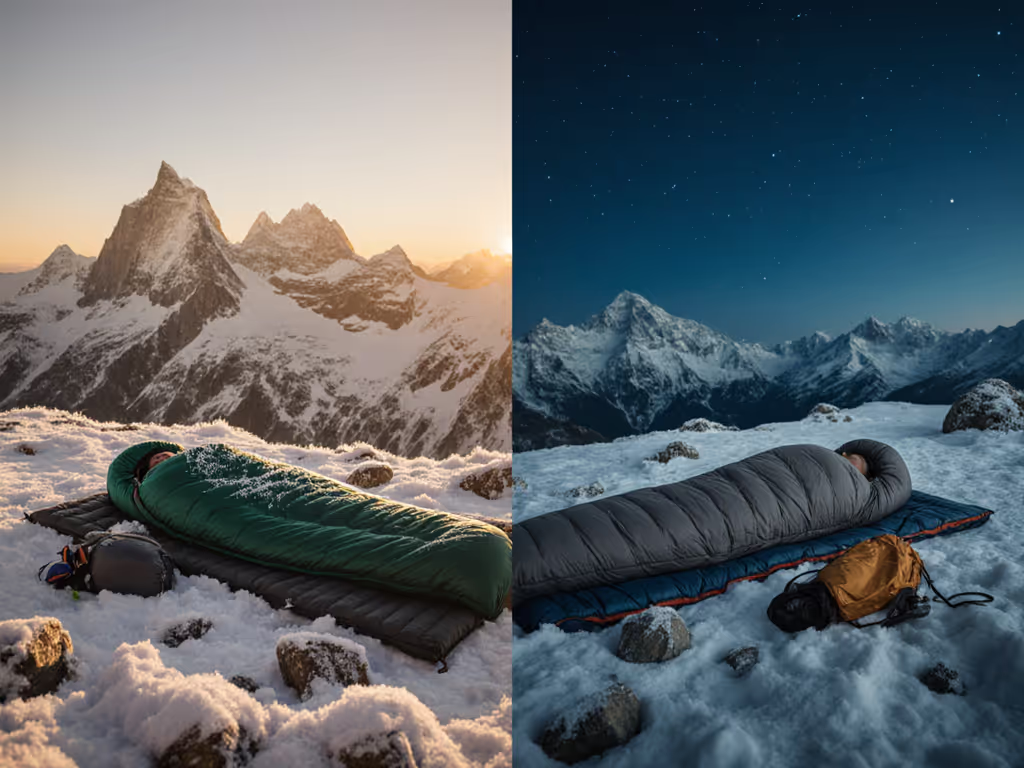
Shelter weight enables bag savings: Canoes carry heavier tents that better block wind. This lets you downsize your bag's temperature rating safely. Example: In windy alpine conditions, a 30°F bag + 4-season tent + R4.5 pad = reliable 25°F sleep. Same bag + single-wall tarp = dangerous 32°F minimum.
-
Moisture resistance adds weight smartly: Cotton canvas shells (like ALPS OutdoorZ Redwood) absorb body moisture before it condenses, but add 6+ lbs. Worth it for moisture-resistant canoe camping bags in humid zones? Only if paired with robust ventilation: Learn how shell fabrics and liners affect condensation in our moisture-wicking sleeping bag fabrics guide.
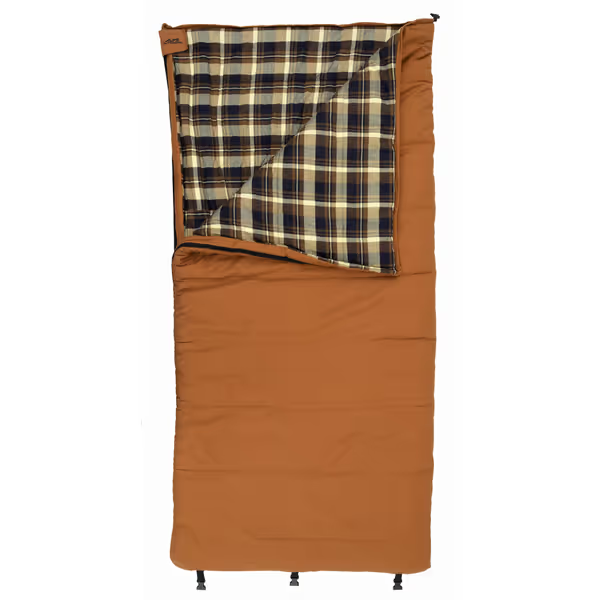
ALPS OutdoorZ Redwood -10°F
Extreme warmth and comfort for sub-zero car camping and hunting.
$169.99
Temperature Rating-10°F
Temperature Rating-10°F
Pros
Plush flannel lining and oversized design ensure cozy comfort.
Rugged canvas shell withstands abuse for long-lasting durability.
Zip two bags together for shared warmth and extra space.
Cons
Too bulky for backpacking or airplane travel.
Customers find the sleeping bag excellent for cold weather car camping, with a soft cotton flannel lining and tough exterior that will last forever. They appreciate its comfort and warmth, with one customer noting it handles 30-40 degree evenings well. The size receives mixed feedback - while some find it roomy, others say it's too big for airplane camping. Customers disagree on whether it's suitable for backpacking.
Customers find the sleeping bag excellent for cold weather car camping, with a soft cotton flannel lining and tough exterior that will last forever. They appreciate its comfort and warmth, with one customer noting it handles 30-40 degree evenings well. The size receives mixed feedback - while some find it roomy, others say it's too big for airplane camping. Customers disagree on whether it's suitable for backpacking.
Your Canoe Sleep System Checklist: Pad-First Logic Applied
Stop guessing temperature ratings. Use this wind and calorie adjustments framework before any water trip:
- Establish baseline R-value
- Subtract 10°F from expected low temp (e.g., 35°F low -> 25°F baseline)
- Add 5°F for wind exposure (e.g., lakeside camp = +5°F buffer)
- Required pad R-value = (Baseline temp) / 8. Example: 30°F baseline -> R3.75
- Increase R-value by 0.5 for high humidity or damp ground
- Bag selection protocol
- For calm, dry lakes: Hydrophobic down (e.g., NEMO Disco Women's 30F)
- For coastal humidity/rain: Synthetic (e.g., ALPS Redwood) or down with DWR + mandatory venting system
- Never use a bag rated within 10°F of expected low without R5 pad
-
Wind-specific margin adjustments | Wind Condition | Pad R-value Boost | Clothing Layer Boost | |--------|----------|-----------| | Light (<10mph) | +0.2 | Light fleece | | Moderate (10-20mph) | +0.5 | Fleece + insulated jacket | | High (>20mph) | +0.8 | Insulated jacket + vapor barrier liner |
-
Moisture triage steps
- Vent tent fly before condensation forms (5-10°F above dew point)
- Place pad valve away from body to prevent dampness transfer
- Use Thermo Gill vents (like NEMO's) to dump moisture without heat loss
The Verdict: Systems Over Specs
Canoe vs backpacking sleep systems aren't about gear lists, they are about addressing moisture and wind specific to your route. Ultralight backpacking sleep systems fail on canoes because they ignore repeated wet-dry cycles and wind exposure. Water-based camping gear must prioritize:
- Explicit margins of safety: Pad R-value >= 4.0 for shoulder-season canoe trips
- Controlled venting: sleeping bag zipper types that prevent snags (e.g., Sea to Summit Talus TS II) while expelling moisture
- Wind-adaptive layering: Insulated jackets worn inside bags, not under, to avoid compression
For dry, low-wind trips: A hydrophobic down bag (like NEMO Disco) with R5 pad is ideal. For humid, windy routes: Choose synthetic or down + robust venting like ALPS Redwood's oversized design. Canoe trip sleep solutions thrive when you treat warmth as a system, not a single-spec promise.
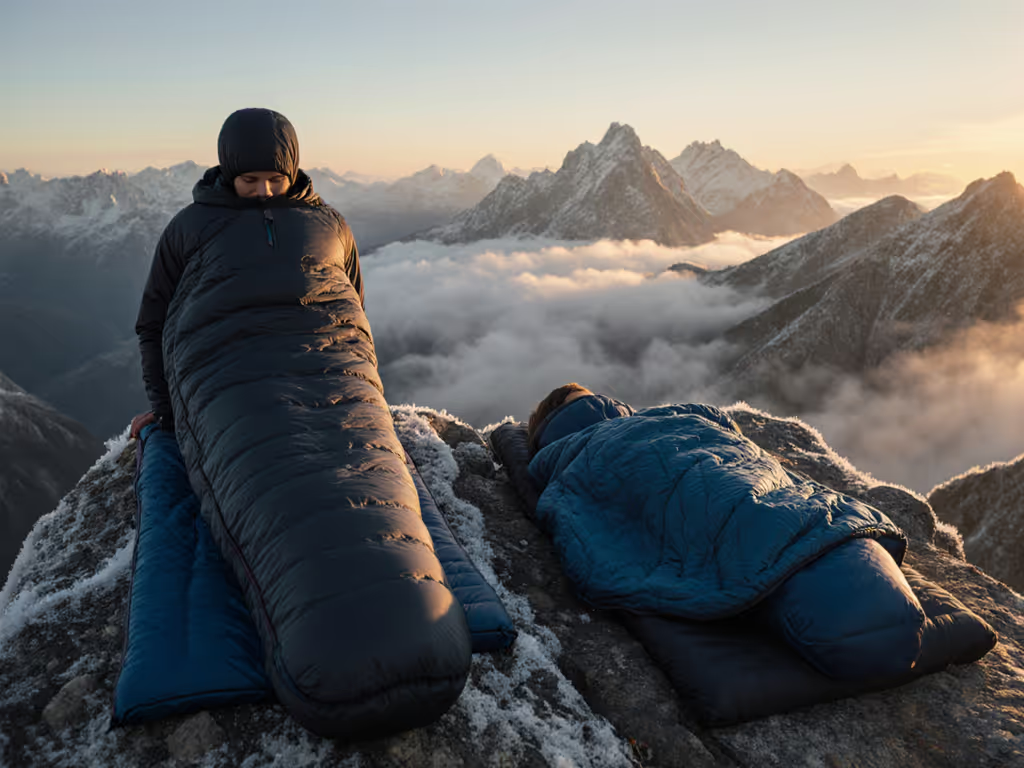
Control wind, feed the furnace, up your R-value before stepping into the canoe. Your sleep quality depends not on the bag's tag, but on the margins you build between you and the elements.
Related Articles