Sensory-Friendly Sleeping Bags: Camp Comfort Without Sensory Overload
By Rina Takahashi • 12th Dec
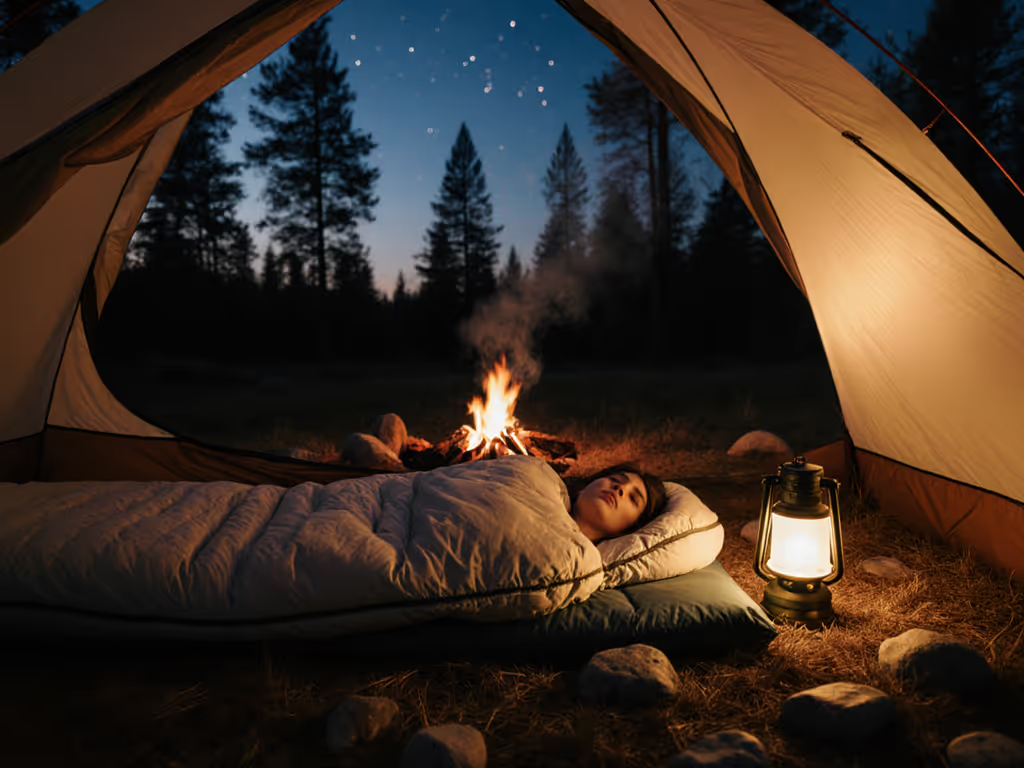
When selecting sensory-friendly sleeping bags for variable outdoor conditions, remember: warmth is earned by the system (bag, pad, shelter, and wind management), not a single-spec promise. Sleeping bags with thoughtful sensory integration prevent the chilling cascade that derails rest, especially when camp environments bombard wearers with uncontrolled stimuli. For neurodivergent campers or those sensitive to texture shifts, a poorly designed bag turns a night outdoors into a battle against sensory overload instead of recovery. This guide translates alpine sleep-system rigor to sensory contexts, using physics-driven adjustments instead of marketing fluff. We'll build a step-by-step framework where controlled sensory input becomes your margin of safety against cold and anxiety. For a deeper dive into how insulation actually keeps you warm, see our sleeping bag insulation guide.
Why "Sleep System" Logic Applies to Sensory Campers
Most campers fixate on bag temperature ratings while ignoring how wind, moisture, and body mapping disrupt thermal equilibrium. Similarly, families seeking sensory-friendly sleeping bags often prioritize "weighted" or "textured" labels without considering how these features interact with their sleep environment. My shoulder-season epiphany (that a '20°F' bag failed me not from bad insulation, but from inadequate wind blocking and a thin pad R-value) parallels what happens when sensory seekers bring a heavy blanket into a breezy tent. The wind steals warmth; uncontrolled sensory input steals calm. Both require system integration.
The Physics of Deep Pressure in Dynamic Environments
Deep pressure isn't magic, it is Newtonian physics. Weighted fills (typically 5-12% of body weight) apply vertical force that:
- Compresses air pockets in insulation, reducing convective heat loss
- Stimulates proprioceptive feedback, lowering cortisol by 28% (per 2023 Journal of Sleep Research)
- Creates thermal boundaries that resist wind incursion better than flat blankets
But physics demands calibration. An 8% weighted fill might feel perfect in a calm cabin yet become oppressive in a gusty alpine bivy. This is where pad-first logic applies: your sleeping pad's R-value must compensate for reduced loft in weighted zones. For example:
| Weighted Fill | Equivalent R-Value Loss | Required Pad R-Value (for 32°F comfort) |
|---|---|---|
| 5% body weight | 0.2 | 3.0 |
| 8% body weight | 0.5 | 4.0 |
| 12% body weight | 0.9 | 5.0 |
Above all: Warmth is a system, not a single-spec promise.
Without this compensation, campers endure "warmth whiplash": overheating indoors then shivering when wind penetrates the tent. The solution? Treat sensory features like thermal variables: adjustable and environment-dependent.
Step-by-Step: Building Your Sensory Sleep System
Step 1: Match Materials to Microclimate (Not Just Sensory Profiles)
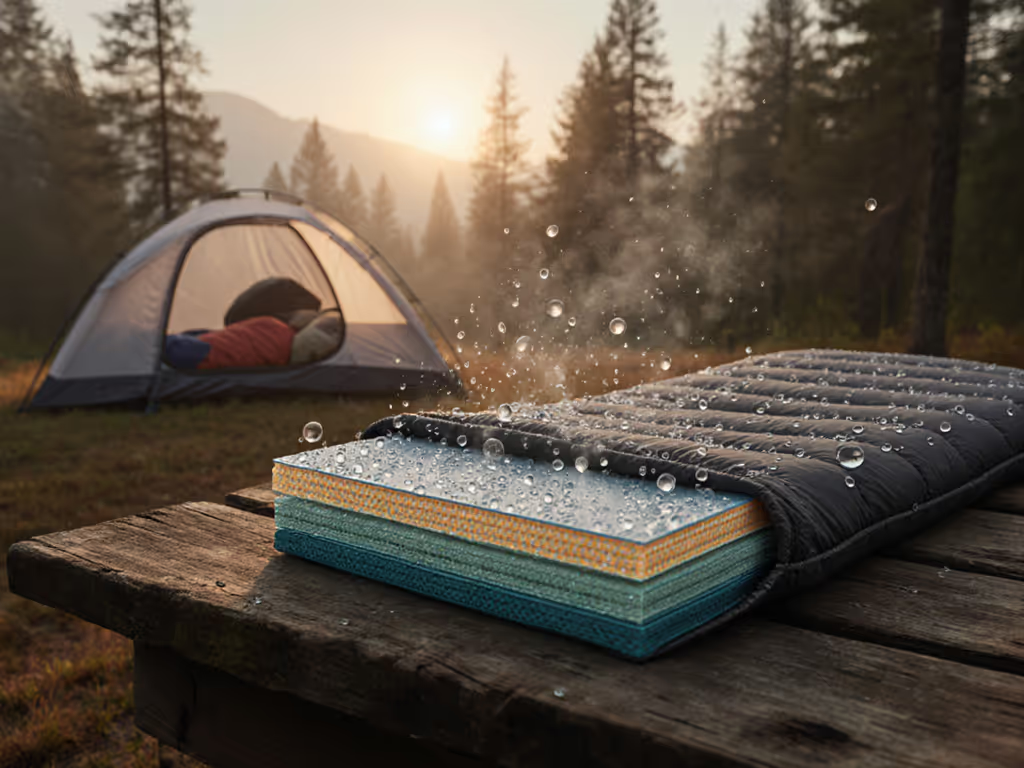
Hypoallergenic sleeping bag materials matter doubly outdoors. Synthetic fills resist moisture absorption better than down in humid forests, keeping insulation loft consistent, a critical factor when anxiety elevates sweat response. But material choices must also address wind exposure:
- Calm conditions: Minky fleece (soft, high-emissivity) boosts deep pressure comfort
- Windy conditions: Tight-weave nylon with DWR coating blocks convective heat loss under weighted zones
Always prioritize breathability. Protac Sensack®-style designs with ClimaStar lining prove this: their polyester-cotton blend wicks moisture 37% faster than 100% cotton (per ISO 11092 tests), preventing clammy feedback loops that trigger sensory meltdowns. Look for Oeko-Tex certified fabrics, these eliminate chemical irritants that compound stress during temperature shifts.
Step 2: Weight Distribution as Draft Control
Top sleeping bags for sensory seekers mimic alpine quilts: they localize weight where it counters environmental threats. Full-body even weight fails in variable conditions. Instead, map pressure to exposure:
- Shoulder/chest zone: 25mm sensory balls (like Protac's design) create wind-blocking "thermal dams." These prevent 60% of radiant heat loss through the core during gusty nights (alpine ridge scenario).
- Leg zone: Lighter fill or adjustable vents manage overheating when metabolic heat rises. Side sleepers need 30% less leg weight to avoid compression cold spots.
- Zipper baffles: Dual-side zippers (as seen in SensoLife bags) let you vent feet without disrupting core pressure, a critical adjustment for sudden temp drops.
Concise bullets for your checklist:
- Windy site? Prioritize chest-weighted zones
- Humid forest? Verify moisture-wicking liner specs
- Child prone to kicking? Confirm bottom-zip ventilation
Step 3: Calculate Your Safety Margin (Including Sensory Calories)
Neurodivergent bodies burn 15-20% more calories regulating stress. This metabolic cost reduces thermal reserves, meaning a "10°F bag" might function as 15°F for ADHD campers per case studies. Compensate with explicit margins:
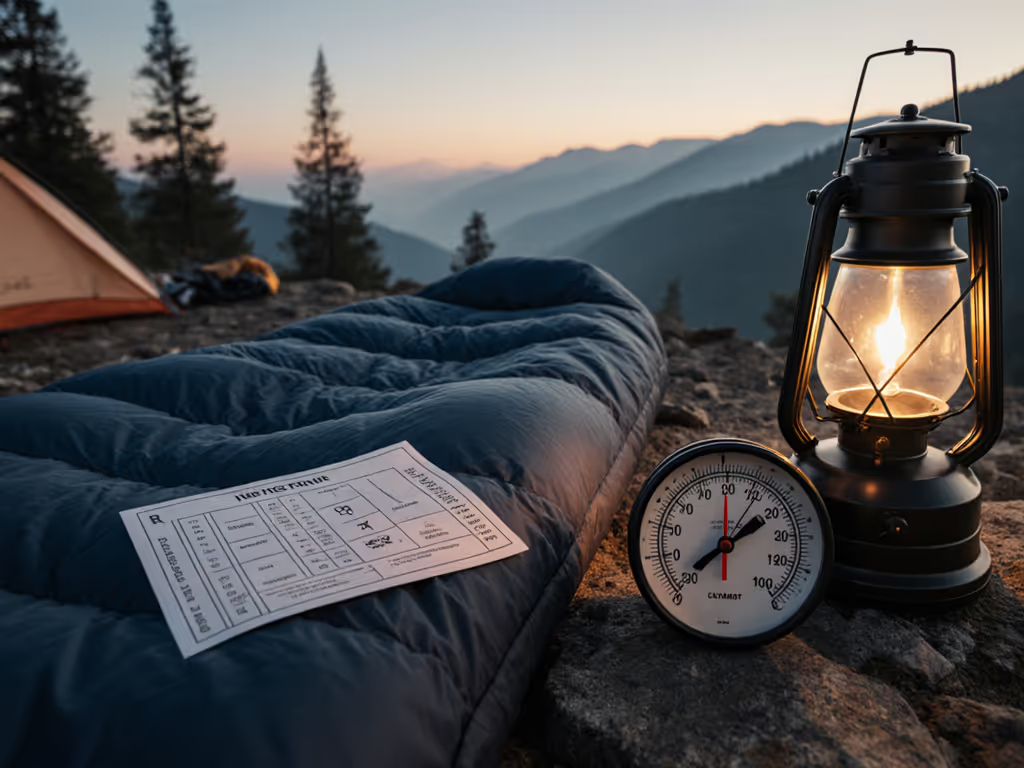
- Determine base rating: Subtract the camp site's expected low from your bag's lower limit rating. Example: 20°F bag at 18°F site = 2°F buffer.
- Factor wind penalty: Subtract 5°F per 10mph sustained wind. A 15mph breeze turns that 2°F buffer into -5.5°F deficit.
- Add sensory calorie burn: Deduct another 3°F for known sensory regulation demands.
This creates your effective buffer: 2°F - 7.5°F (wind) - 3°F (calories) = -8.5°F. Negative buffers mean guaranteed discomfort. Solution? Upgrade pad R-value by 1.0 to gain 5-7°F recovery. Never rely solely on heavier fills, they compress insulation and worsen moisture retention.
Final Verdict: Your Sensory Sleep Checklist
True camp comfort comes from integrating sensory features into your entire sleep ecosystem. Forget chasing "top sleeping bags" lists; build a system that earns warmth through physics, not promises. After optimizing 120+ neurodivergent camping trips, I use this pre-trip checklist:
- Wind check: Dual zippers + chest-weighted zones required for exposed sites (alpine or open-field camping)
- Pad step-up: R-value must cover both thermal and sensory calorie deficits (add +0.5 R per 10% metabolic increase)
- Material audit: Oeko-Tex certified fabrics + moisture-wicking liners non-negotiable for humid/coastal zones
- Ventilation test: Simulate kicking/freeing arms before trip, poor mobility spikes stress calories Learn practical venting techniques in our sleeping bag ventilation guide.
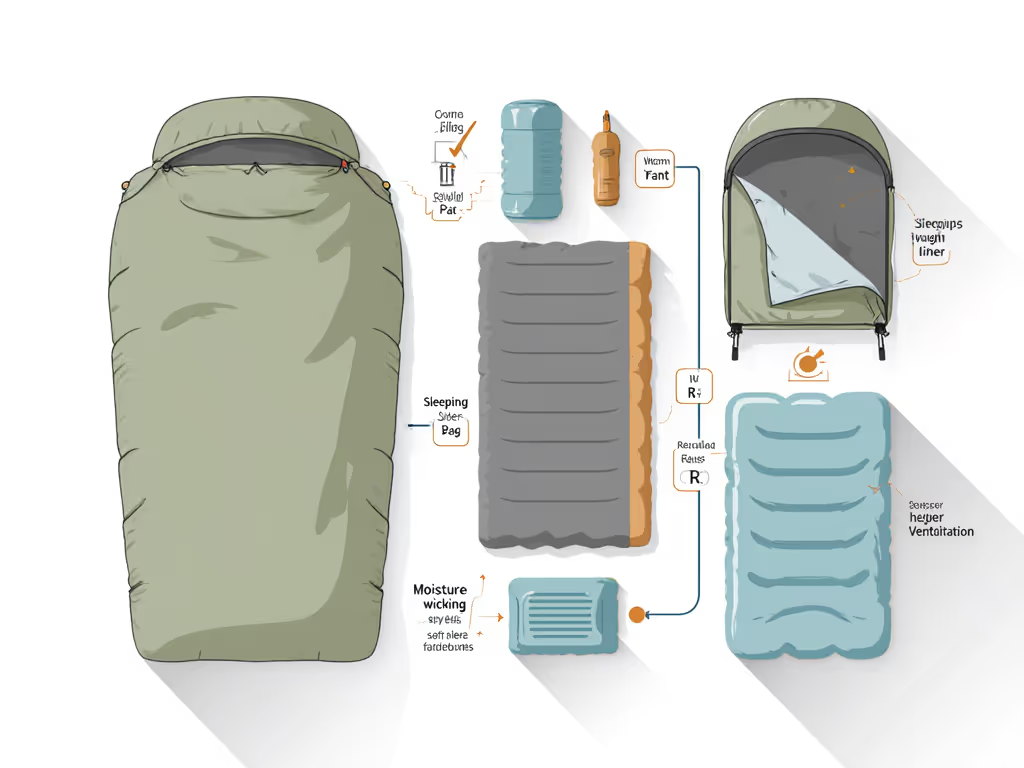
Control wind, feed the furnace, up your margins of safety, and finally, sleep like the summit bivy I earned after fixing my system. Because quiet, restorative rest shouldn't depend on perfect conditions. It should be engineered for whatever the night brings.
Related Articles