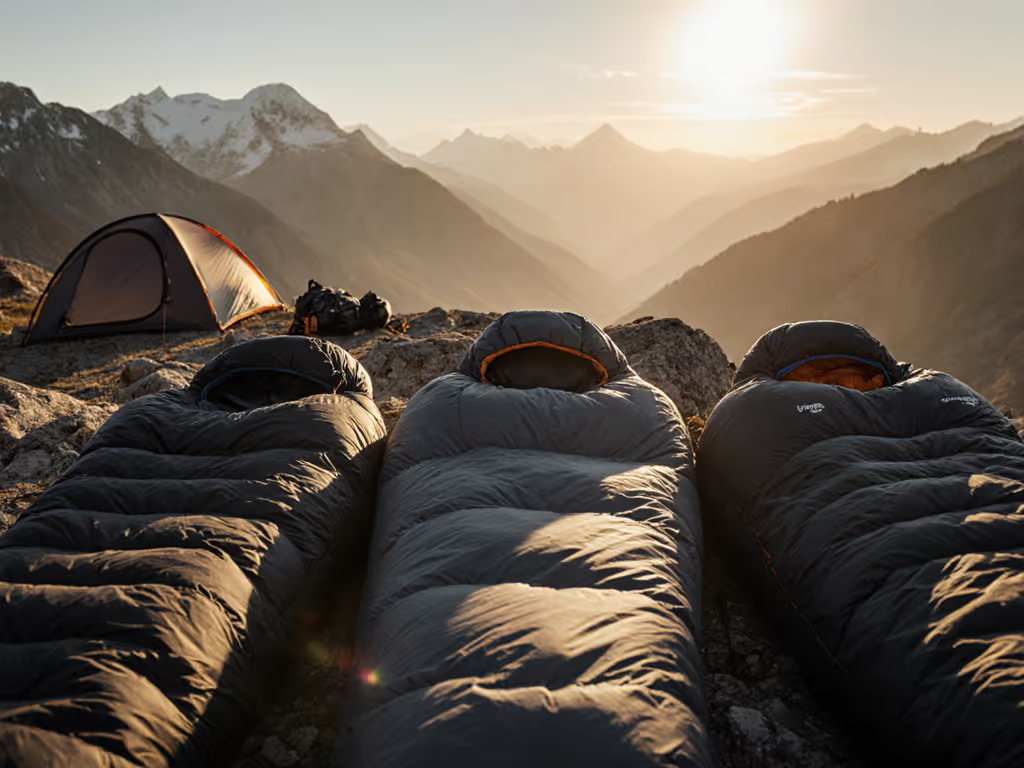
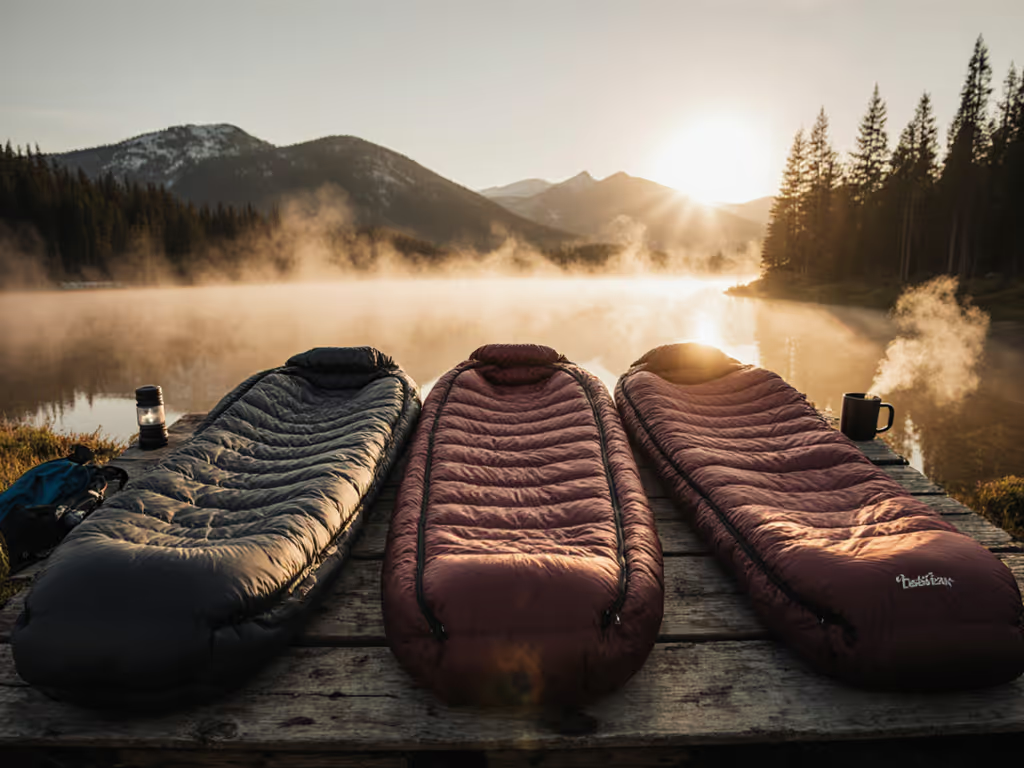
Warm Weather Sleeping Bags: Down vs Synthetic in Humid Conditions
By Sofia Petrovic • 12th Oct
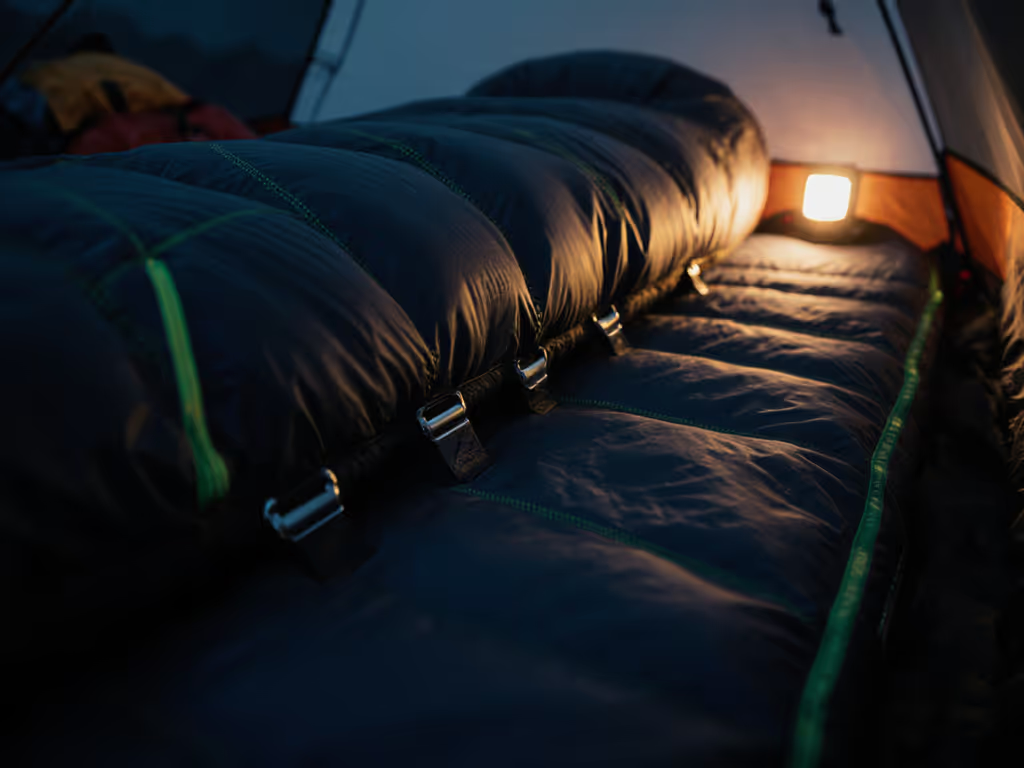
When choosing sleeping bags for warm weather trips, most beginners fixate on temperature ratings alone, only to wake up soaked in condensation when humidity hits 60%. But here's the truth: down sleeping bags can still dominate in damp conditions if you understand their moisture limits and build in smart buffers. After my first winter hut trip (sweating at midnight, freezing by 4 AM), I realized predictable sleep is not about chasing the lightest gear, it is about designing a repeatable system that handles humidity's surprises. Let's unpack how to choose and use insulation wisely for sticky nights.
Why Warm-Weather Sleep Fails in Humidity (And It's Not Just Temperature)
Humidity turns mild nights miserable because your sleeping system battles invisible moisture from two sources:
- Your body: You emit 1+ pint of vapor nightly, even in 70°F weather
- The environment: Coastal fog, river valleys, or post-rain forests add external dampness
"Plan the night, not just the number on the tag." This mantra emerged from my own soggy mistakes. ISO ratings ignore humidity's impact on insulation performance. For a clear primer on why dryness equals real warmth, see our insulation guide. That "perfect" 35°F bag might feel like 50°F on a muggy Appalachian Trail.
The Moisture Domino Effect
- Sweat/vapor soaks bag shell → down clumps or synthetic fibers lose loft
- Damp insulation conducts heat away faster → chilling you despite "warm" temps
- You add layers → sweat more → repeat cycle
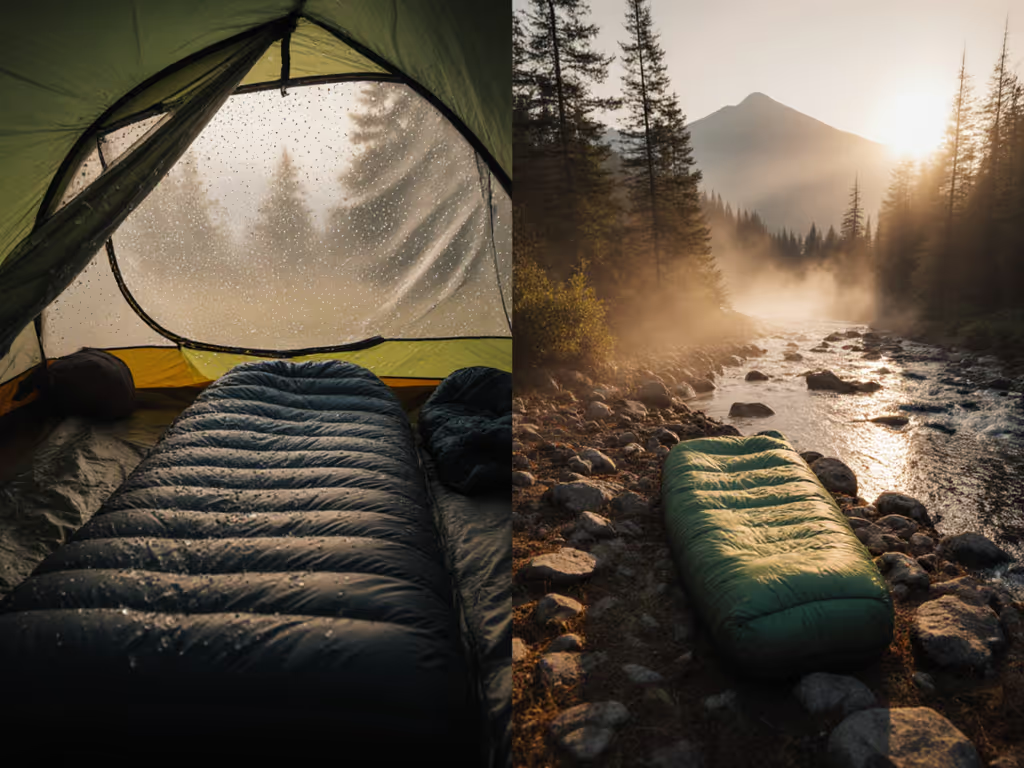
This is why cold sleepers in humid zones often pack lighter bags than expected, it is not about temperature alone, but moisture management. For wet weather camping, your real enemy isn't cold air... it is wet insulation.
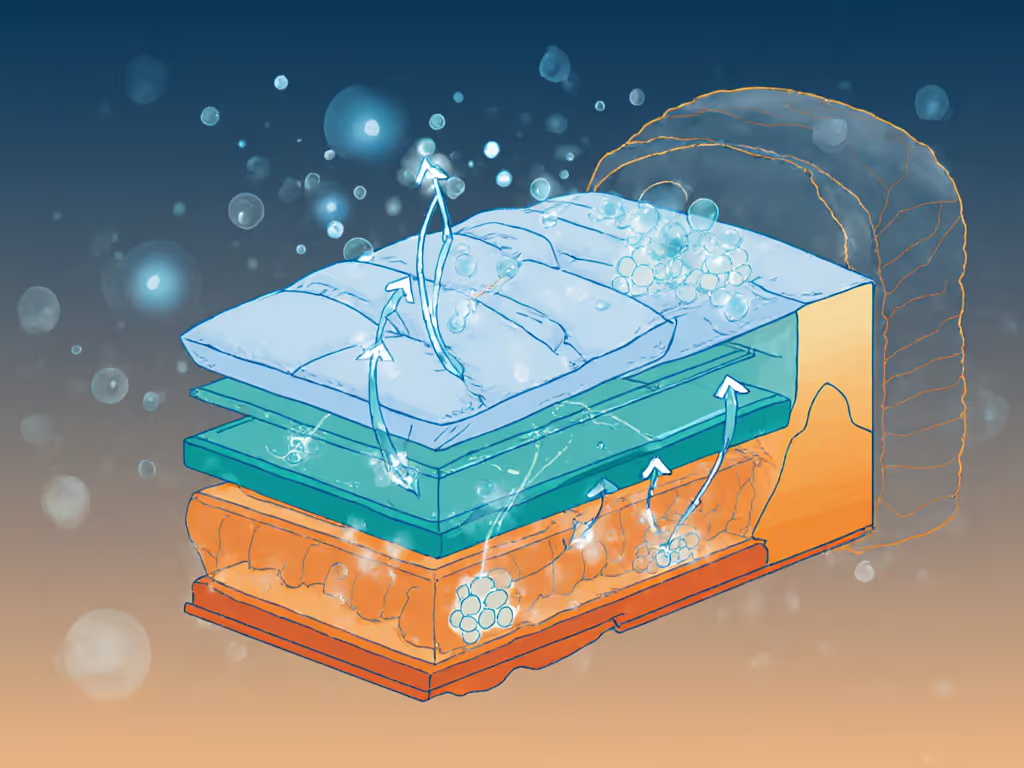
Down Sleeping Bags in Humidity: Hydrophobic Hype vs Reality
Down's legendary warmth-to-weight ratio shines only when dry. If packability and warmth per ounce matter, learn how fill power works before you choose 650 vs 800+. Modern hydrophobic down treatments change the game, with limits:
How Hydrophobic Down Actually Performs
- 70% less moisture absorption than untreated down (per Nikwax's Hydrophobic Down™ testing)
- Dries 3x faster when exposed to light rain or condensation
- Still loses loft under prolonged dampness, just slower than regular down
Here is your buffer for messy weather: Hydrophobic down buys you time, not immunity. In steady rain or 90% humidity, it will eventually clump, just like regular down. But for coastal fog or sweaty summer nights? It outperforms untreated down significantly.
When to Choose Down (Humidity-Safe Scenarios)
| Condition | Down Recommendation | Your Safety Buffer |
|---|---|---|
| Coastal camping (60-80% humidity) | Hydrophobic 650+ fill | 5°F warmer rating than expected low |
| Dry heat (desert <40% humidity) | Any down (800+ fill for packability) | None needed, focus on breathability |
| Alpine humidity (diurnal swings) | Hydrophobic 700+ fill | R2.5+ pad + full zip ventilation |
Headed for arid trips with big day-night swings? Check our desert sleeping bag picks for breathable options that still handle cool nights. Critical note: Down's weakness is not just rain, it is breathable moisture. If your tent breathes poorly (e.g., single-wall silnylon), vapor from your breath condenses on the bag shell. That is why waterproof down sleeping bags (a misnomer) do not exist, no shell blocks vapor and breathes.
Synthetic vs Down Humidity Showdown: The Physics You're Not Told
Many assume synthetic = automatic win in dampness. But physics complicates this:
- ✅ Synthetic's edge: Retains 60-70% warmth when fully saturated (vs down's 10-20%)
- ❌ Synthetic's myth: "Warm when wet" is misleading. Wet insulation always steals heat, synthetic just degrades less catastrophically.
Real-World Performance Breakdown
| Factor | Down (Hydrophobic) | Synthetic |
|---|---|---|
| Initial warmth | Superior (25%+ warmer per oz) | Good but heavier |
| Wet performance | Gradual warmth loss over hours | Faster initial drop, then stabilizes |
| Damp recovery | Dries faster when aired | Slower to shed moisture |
| Longevity | 10-15 years with care | 3-5 years before loft degrades |
A 2023 Backpacker field test confirmed: In 75°F/80% humidity, a hydrophobic down bag performed better than synthetic until moisture saturation hit 40%. After that, synthetic pulled ahead. Translation: For occasional dampness (e.g., Pacific NW shoulder season), hydrophobic down wins. For constant saturation (e.g., Southeastern US summer), synthetic is safer.
Your Step-by-Step Humidity Defense Plan
Stop guessing. Follow this if/then decision path to build your personalized buffer:
Step 1: Map Your Moisture Sources
- If camping near water/coast → assume high ambient humidity
- If using single-wall tent → expect condensation on bag shell
- If hiking hard before bed → prepare for heavy sweat output
Step 2: Assign Insulation Based on Risk
- Low humidity risk (dry desert, well-ventilated tents): Down bag + breathable liner
- Medium risk (coastal fog, moderate exertion): Hydrophobic down + full zip access
- High risk (tropical rain, tarps in monsoon): Synthetic + vapor barrier liner (VBL)
Pro tip: Women often run colder BUT produce more vapor, prioritize breathability over warmth. Many female testers in our humidity trials needed lighter bags than male counterparts.
Step 3: Build Your Margin of Safety Calculator
This is where beginners panic, but it is shockingly simple. If ISO and EN numbers confuse you, start with our temperature rating explainer so the math here makes sense. For synthetic vs down humidity decisions, use:
Real-World Rating = Bag's ISO Comfort + (Humidity Factor × Pad R-Value)
- Humidity Factor: 0.5°F per 10% above 60% humidity
- Example: 70% humidity = +1.5°F adjustment
So a 35°F bag (ISO comfort) + R2.5 pad in 70% humidity: 35°F + 1.5°F = 36.5°F real comfort. You need a 30°F bag for 30°F nights.
This math explains why so many campers are cold despite "correct" ratings, their pad and humidity were not factored in.
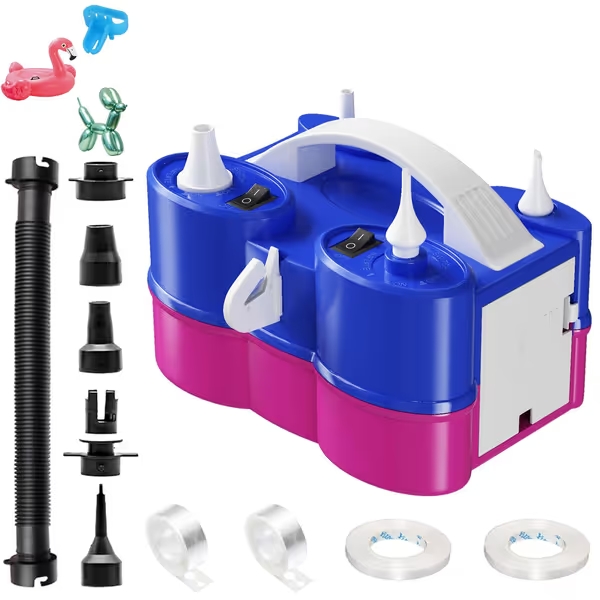
Togvu Electric Balloon & Air Pump
Inflate balloons, pool floats, and vacuum bags with one device.
$36.99
Inflation Speed2 balloons in 3 seconds
Inflation Speed2 balloons in 3 seconds
Pros
3-in-1 functionality (balloons, inflatables, vacuum storage)
Dual nozzles & motors for versatile balloon types
Five nozzle sizes for diverse inflatables
Saves time and effort for parties and household tasks
Cons
Air-only, does not use helium
Customers find the air pump easy to use and appreciate that it saves time and money, with one mentioning it's great for inflating and deflating pool floaties.
Customers find the air pump easy to use and appreciate that it saves time and money, with one mentioning it's great for inflating and deflating pool floaties.
Step 4: Pad Pairing: Your Secret Humidity Weapon
Your sleeping pad is not just for comfort, it is your moisture firewall. Why?
- Ground contact adds ground humidity (often 5-10°F colder than air)
- Inflatable pads trap vapor if not aired properly
Critical action: After humid nights, fully deflate and dry your pad before packing. That Togvu pump's deflation mode makes this 30 seconds of work instead of 10 minutes of wrestling. Skipping this = packing dampness into your next trip.
Shelter Synergy: The Overlooked Humidity Fix
Your tent choice affects bag performance more than people realize:
- Single-wall tents: Increase condensation risk → pair with synthetic or VBL
- Double-wall tents: Vent moisture better → ideal for down
- Tarps: High vapor exposure → only use synthetic with full shelter coverage
Climate Preset Tip: For Pacific Northwest trips (common 80%+ humidity), I default to:
Hydrophobic down bag + R3.5 pad + double-wall tent + 5°F safety buffer
This preset handles everything from dry July nights to soggy September storms. No more gear swaps, just add/remove sleep layers.
The Final Verdict: No Shame, Just Smart Buffers
- Choose down if: You camp in moderate humidity, value packability, and commit to active moisture management (ventilation, drying rituals)
- Choose synthetic if: You face constant dampness, prioritize simplicity, or camp in high-risk zones (e.g., Southeast US summer)
Remember: There is no shame for overpacking while learning. My first 10 trips used a synthetic bag with hydrophobic down, I prioritized sleep security over gram-counting. Today, I still carry a silk liner as a vapor buffer on humid trips. That is the beauty of margins: they turn anxiety into calm.
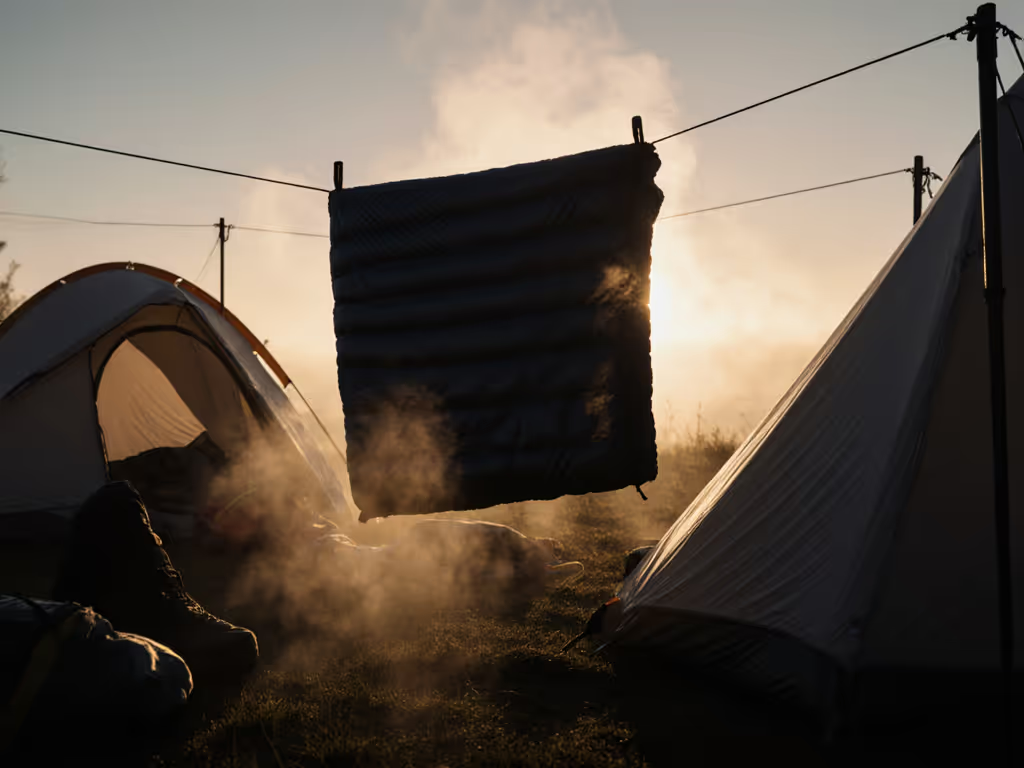
Your Actionable Next Step
Build your humidity checklist tonight:
- Check 10-day forecasts for expected humidity (not just temps)
- Calculate your real-world rating:
Bag's ISO Comfort + (Humidity % - 60) × 0.5 - Add 5°F buffer if humidity >75%
- Pair with R-value:
Pad R = (Expected Low ÷ 10) + 1
This takes 5 minutes but prevents midnight misery. Because as I learned sweating in that winter hut: Great sleep is not luck, it is a plan you can trust when the weather gets messy. Now go build yours.
Remember: Plan the night, not just the number on the tag.
Related Articles