
Sleeping Bag Preservation: Breathable vs Compression
By Sofia Petrovic • 24th Apr
Understanding the Stakes
The choice between sleeping bag compression sacks and breathable storage determines whether your bag maintains its loft and insulation for years, or slowly loses both to compression creep and moisture damage. This isn't just a storage detail; it's the difference between a bag that feels the same on trip five as it did on trip one, and one that's lost 20% of its warmth and responsiveness over time.
When I first faced a winter hut trip, I overpacked my zero-degree bag and under-packed my pad (a buffer miscalculation that turned predictable sleep into a sweating-at-midnight, freezing-at-four nightmare). The solution wasn't just better math; it was building a repeatable system. Storage became part of that ritual. Long-term sleeping bag preservation starts before you pack for spring; it starts the moment you unpack from winter.
Let me walk you through the two approaches and why the decision matters far more than gear tags suggest.
Why Storage Matters: The Moisture and Compression Problem
Down and synthetic insulation lose performance through two primary damage paths: moisture accumulation and compression loft loss. For the science behind why dry insulation stays warmer, see our insulation and dryness guide. When you store a bag compressed in a stuff sack for months, the insulation clusters and doesn't fully recover, even after you decompress it on your next trip. Worse, any residual moisture trapped inside a compressed bag creates an environment where mold and mildew thrive, permanently degrading the insulation's structure.
Think of loft like a sponge: compress it for six months, and some of those air pockets don't bounce back to their original shape. The fibers develop permanent creases. Performance gaps emerge: cold spots where insulation never re-expands, areas where the bag feels thinner than intended, and zones where moisture collects more easily.
Storage Method 1: Compression Sacks (Short-Term Only)
What Compression Sacks Are
Compression sacks are designed for one job: shrinking your packed bag to fit into a backpack during a trip. They're a packing tool, not a storage solution. Most quality bags come with two sacks: a stuff sack for travel and a storage sack for the off-season.
Why Compression Sacks Fail for Long-Term Storage
- Loft loss: Keeping your bag compressed for weeks or months causes the insulation to stay flattened. While some recovery happens when you decompress, permanent fiber damage occurs with repeated or prolonged compression cycles.
- Moisture trapping: Compression sacks are not breathable. Any moisture remaining in the bag after storage becomes trapped, creating conditions for mold and mildew.
- No ventilation: Unlike breathable containers, compression sacks prevent the air circulation your bag needs to off-gas and stay fresh.
If/Then Decision for Compression Sacks
-
If you're packing for a weekend trip, compression sacks are fine.
-
Then unpack and decompress your bag immediately when you arrive home.
-
If you're storing your bag for a month or more, compression sacks are not appropriate.
-
Then transfer the bag to a breathable container before long-term storage.
Storage Method 2: Breathable Storage Sacks (Long-Term Standard)
What Breathable Storage Sacks Are
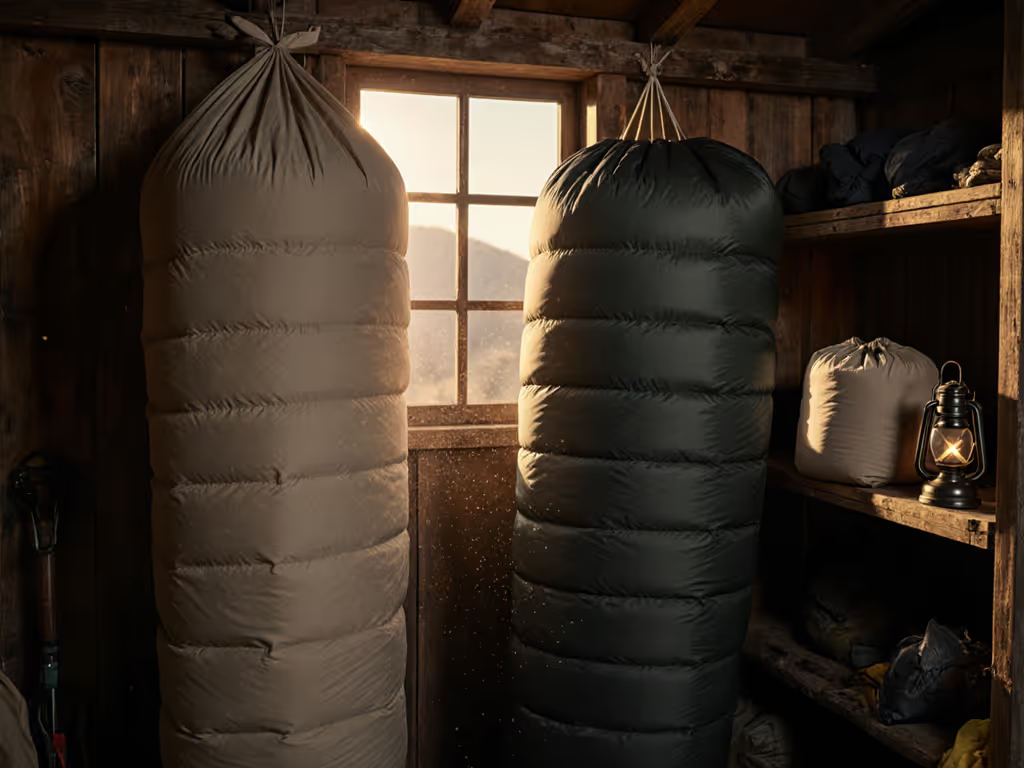
Breathable storage sacks are made from cotton, mesh, or similar uncompressed materials. They hold your bag loosely, allow air circulation, and let moisture escape over time. Many premium sleeping bag manufacturers include these as standard (a signal that they're the expected storage method).
Why Breathable Storage Works
- Loft preservation: Your insulation stays expanded and ready. When you pull the bag out three months later, it's as lofty as the day you stored it.
- Moisture control: Air circulation dries out any residual moisture and prevents mold growth. This is crucial, especially after humid seasons or if your bag was damp when stored.
- Longevity: Bags stored in breathable containers for 5-10 years maintain their warmth better than those stored compressed for just one season.
The Cotton Storage Sack Benefits
Cotton is the ideal material because it breathes without introducing moisture or degrading the bag's fabric. Unlike plastic or waterproof containers, cotton allows the bag to maintain equilibrium with its environment while preventing pests and dust. Here's the simple rule: store your down sleeping bags and synthetic bags identically, in a large, loose, breathable container, away from direct sunlight and pests. For full off-season storage options and humidity control, see our long-term storage guide.

Step-by-Step Storage Protocol
Pre-Storage Checklist
Before you store your bag, whether for the off-season or for months between trips, follow this protocol: For washing, drying, and minor repairs, follow our sleeping bag care guide.
- Clean your bag thoroughly (if needed). Spot-clean dirt and oils with a damp cloth and mild soap. Hand-wash if heavily soiled, following manufacturer care instructions.
- Dry completely. Hang your bag in indirect sunlight for 24 hours minimum, then turn it inside out and hang again. No damp spots should remain.
- Inspect for damage. Patch small tears or weak seams before storage to prevent unraveling or moisture entry.
- Let it fully air out for at least a few hours after final drying before sealing in storage.
Storage Execution
- Choose your storage container: A large cotton laundry bag, an old pillowcase, or a mesh storage sack that comes with many quality bags.
- Fold loosely (don't stuff tightly). Let the bag maintain its natural shape with plenty of room for air movement.
- Place in a cool, dry, dark location. Avoid basements prone to humidity, attics with temperature swings, or anywhere near direct sunlight. Target 50-70°F and humidity below 60%.
- Keep pests in mind. Use cedar blocks or sealed storage bins for the room itself, but never seal the bag inside airtight plastic (this traps moisture).
- Create a simple reminder system. Monthly checks during the first off-season catch any moisture or odors early.
The Comparison: Compression vs. Breathable at a Glance
| Factor | Compression Sacks | Breathable Storage |
|---|---|---|
| Loft Recovery | Gradual, incomplete | Complete and immediate |
| Moisture Control | Poor; traps humidity | Excellent; allows evaporation |
| Suitable Duration | < 1 week optimal | Months to years |
| Mold/Mildew Risk | High if any moisture present | Low with proper ventilation |
| Ease of Access | Quick grab from pack | Requires unpacking from storage |
| Drying Time Required | 48+ hours after storage | Immediate upon use |
| Cost | Usually included; cheap | Often included; cotton bags ~$10 |
If/Then Decision Tree for Your Storage Choice
-
If you're packing for a weekend trip, compress your bag for the journey.
-
Then unpack it immediately upon return and store it loose.
-
If you need to store your bag for the off-season (3+ months), use breathable storage only.
-
Then check it every 2-3 months to ensure the area stays dry and pest-free.
-
If you live in a humid climate (coastal or tropical regions), prioritize drying before storage and inspect monthly for moisture.
-
Then consider using desiccant packs (silica gel) in your storage area, not inside the bag itself.
-
If your bag is down and you're in a humid region, rotate your bag inside-out every 3 months to equalize moisture distribution.
-
Then ensure ventilation remains consistent and check for odors.
Buffer Recommendations for Moisture Control Storage Solutions
Here's your buffer for messy weather: assume your bag will encounter humidity. Plan accordingly. To understand how moisture affects warmth and what to do in each humidity range, read our humidity and warmth guide.
- Always store your bag in a location with humidity below 60%, if possible. Use a hygrometer to check your storage area seasonally.
- If your storage area is naturally humid, add a separate desiccant pack nearby - not inside the bag - to reduce ambient moisture.
- Check your bag monthly during the first season after storage to confirm no moisture or odors have developed. Open the storage sack and visually inspect the interior.
- If you detect dampness, remove the bag immediately, hang it in sunlight and a breeze for 24+ hours, then inspect again before re-storing.
- In extremely humid climates, consider quarterly rotations: move the bag inside-out halfway through storage to prevent moisture accumulation in folds.
The Long-Term Preservation Timeline
Months 0-1 (Immediate Post-Trip)
After each trip, unpack your bag and allow it to air out for at least 24 hours before storing. Spot-clean any visible dirt or sweat marks. Store loosely in breathable sacks, ensuring the storage area is dry and cool.
Months 1-6 (Off-Season Checkpoint)
Inspect your bag once monthly. Open the storage sack, let fresh air in, and visually check for discoloration (signs of mold) or odors. If all is clear, reseal loosely. This rhythm builds confidence that storage is working.
Months 6-12 (Mid-Season Preparation)
Before you use your bag again, remove it from storage and hang it flat for 24-48 hours. This allows full loft restoration. Plan the night, not just the number on the tag - a fully decompressed bag feels warmer and more responsive than one still recovering from compression.
When You Return from a Trip: Decompression Protocol
Decompression is as important as compression storage is damaging.
- Unpack your bag immediately upon arriving home. Don't leave it compressed in your pack overnight or longer.
- Lay it flat or hang it loosely for at least 2-4 hours before your next use. Your down needs time to expand fully; synthetic takes less time but benefits from aeration too.
- Air it out in indirect sunlight if possible. This kills residual odors and bacteria without degrading the fabric.
- Check for moisture or clammy spots. If present, hang it longer or in a warmer, breezier location.
Your Action Checklist: Store Like a Systems Thinker
Before you store your bag this season, use this checklist:
- Bag is completely dry (no damp spots inside or out)
- Bag is clean or spot-cleaned of visible dirt, oils, and sweat
- Storage container is cotton, mesh, or large breathable sack - not a compression sack
- Storage location is cool (50-70°F), dry (below 60% humidity), and dark
- Storage location is free from pests and direct sunlight exposure
- Bag is folded loosely, not tightly compressed
- If you have a separate storage sack, use it; if not, a cotton laundry bag works fine
- You've scheduled monthly visual inspections for the first season
- You have a reminder set: decompress 24-48 hours before your next trip
What to Avoid: The Damage Cycle
Don't repeat the mistake of thinking compression storage "preserves" bags by minimizing space. It doesn't. Here are the three storage sins:
- Storing compressed year-round: Loft doesn't return fully. Performance drops by 10-20% within a season.
- Storing damp bags in any container: Mold grows regardless of breathability. Drying comes first, always.
- Storing in attics, garages, or basements without climate control: Temperature swings and humidity fluctuations degrade insulation faster than anything else.
The Ritual Becomes Automatic
Your sleeping bag's warmth rating is only valid if the insulation performs as designed. Compression storage and moisture damage erode that performance before you ever leave for a trip. A 20°F bag stored correctly feels like a 20°F bag on your next trip; one stored compressed or damp feels closer to a 30°F bag.
The ritual is simple: dry thoroughly, store loosely, check monthly, decompress before use. No shame in being deliberate about this (it's the same logic that saves you from cold nights in the field). Predictable sleep comes from a repeatable plan with clear buffers, and that plan starts the moment you arrive home.
Next Steps: Start Your Storage System Today
- Audit your current storage: Is your bag in a compression sack long-term? Move it to a breathable container this week.
- Find or buy breathable storage: If your bag didn't come with a storage sack, grab an inexpensive cotton laundry bag from any department store, it works as well as a purpose-built sack.
- Dry and decompress: Even if your bag has been compressed for months, remove it, let it hang for 48 hours, and the loft will largely recover.
- Set a monthly reminder: For the first off-season, check your storage area once a month using a simple checklist. After you confirm it stays dry, you can extend to quarterly checks.
- Share this protocol with your crew: Anyone storing a bag the wrong way is losing performance for no reason. A quick conversation about breathable storage can save them thousands of dollars in premature gear churn.
Your next trip depends on the storage choices you make today. Plan accordingly, buffer for humidity, and breathe easy knowing your bag will perform exactly as designed, trip after trip, season after season.
Related Articles