Sleeping Bag Footbox Designs Compared: Find Your Fit
By Maya Ndlovu • 19th Feb
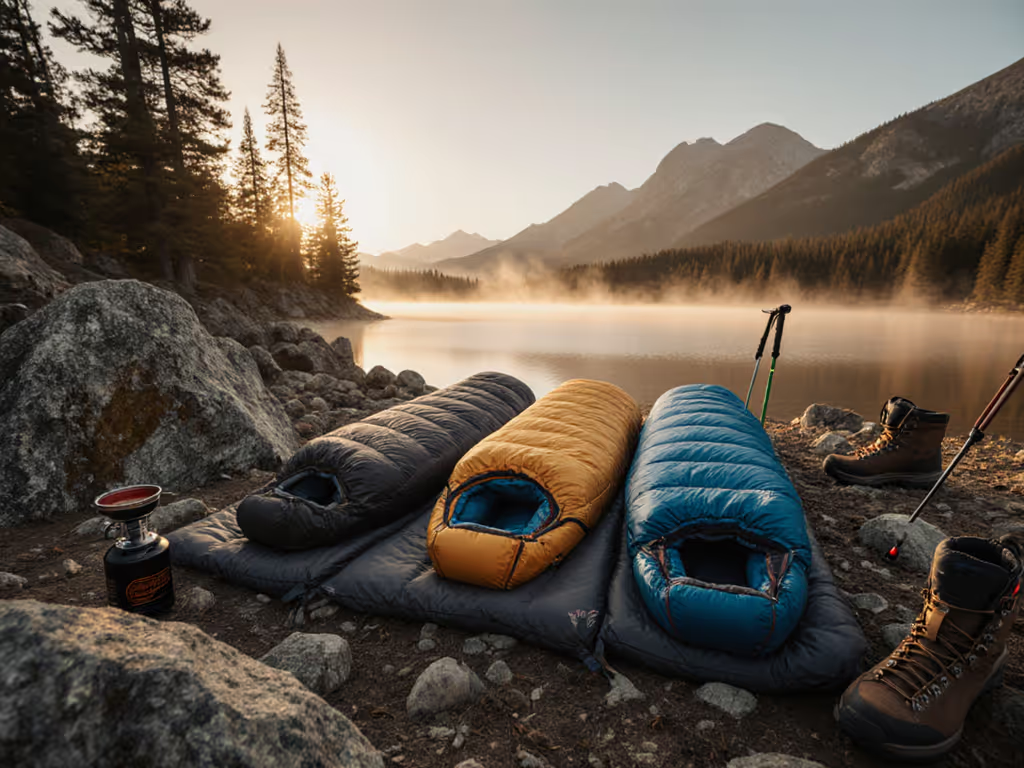
Your feet (often the first part of you to betray comfort on a cold night) deserve the same systematic attention you'd give to insulation layers or shelter choice. Sleeping bag footbox design and toe box comfort comparison matter far more than gear reviewers typically admit, yet they remain buried in specification sheets rather than front-and-center in purchasing decisions. The footbox is where fit, insulation type, and your sleep position converge; getting it wrong means trading active feet for clammy ones, wasted warmth, or pressure points that ripple into restless sleep. This guide maps the landscape of footbox styles, helps you decode which design matches your body and sleeping habits, and builds the confidence to stop guessing and start choosing.
What Exactly Is a Footbox, and Why Does It Matter?
The footbox is the insulated chamber at the foot end of a sleeping bag or quilt (essentially the final meter or so that wraps your feet and lower legs). It's where cold pooling happens (feet are notoriously poor at generating and retaining heat), where moisture can accumulate if airflow is restricted, and where fit directly translates to warmth. A footbox that's too tight compresses insulation and creates pressure points; one that's too loose wastes energy heating dead air. For complete fit checks across your whole bag, use our sleeping bag size guide. The footbox also anchors your entire sleep system: how it interacts with your sleeping pad, whether it creates drafts, and how it responds to tossing and turning all determine whether you sleep soundly or spend the night chasing comfort.
Comfort is multi-factor: fit, feel, fabric, and freedom, and the footbox is where all four collide. The insulation material, the shape and volume, whether it's sealed or vented, and how it accommodates different body sizes and sleep positions all feed into your actual warmth perception and overnight dryness.
The Three Main Footbox Styles
Sewn Closed Footbox
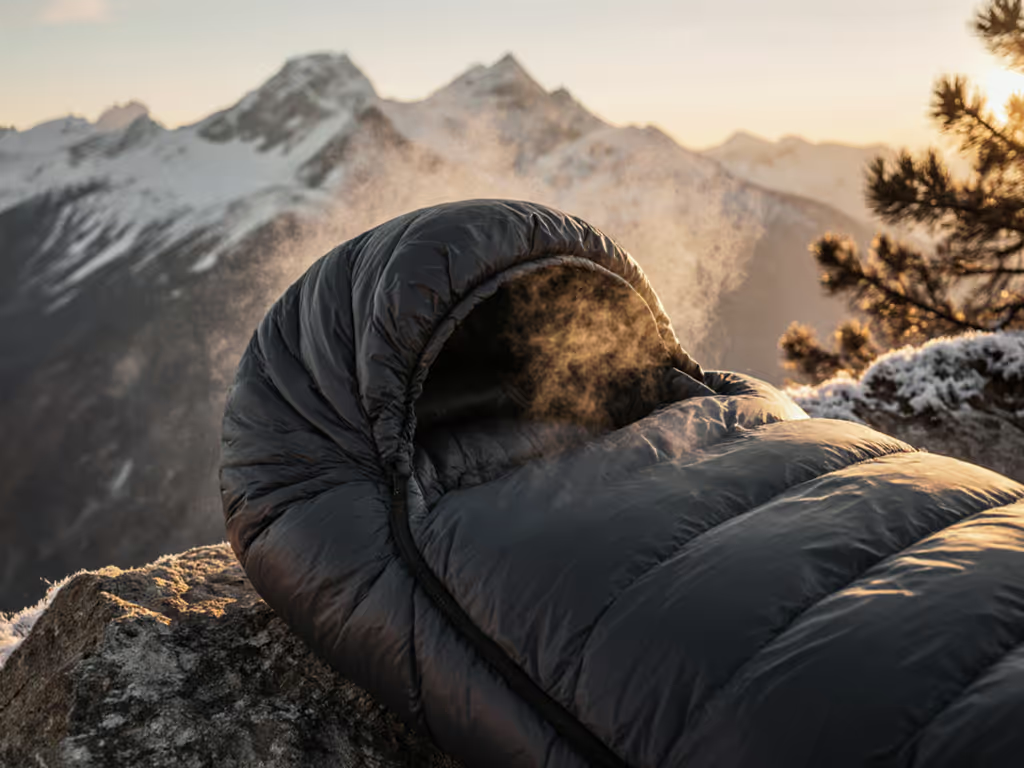
Sewn closed footboxes are permanently stitched at the bottom, usually with a circular or square panel that creates a three-dimensional cocoon. They're typically two feet in length, enclosing you to about knee level depending on your height. This design is the lightest and warmest option available. Because there's no zipper mechanism, no excess fabric, and no gap, sewn footboxes excel at trapping and recirculating warm air directly around your feet. They're ideal for ultralight setups and for anyone willing to accept a fixed footbox as a trade-off for maximum thermal efficiency and weight savings.
The catch: sewn footboxes sacrifice versatility. You can't unzip them on warm nights or transition to a blanket-like configuration. If your feet overheat, your only relief is pulling the bag down (and losing insulation at your core) or stepping outside. Side sleepers and people who shift position frequently sometimes find sewn footboxes constraining, though a well-designed one with adequate height and width minimizes this friction. If you mostly sleep on your side, see our side sleeper bag guide for designs that prevent drafts around bent knees and ankles.
Zippered Footbox
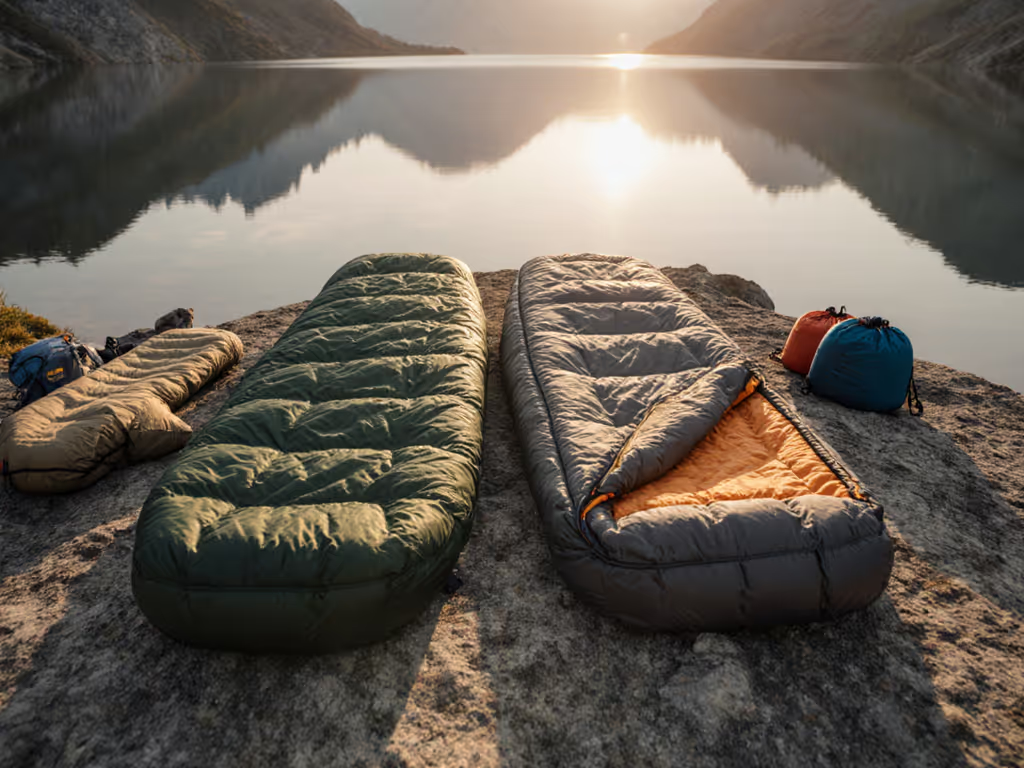
Zippered footboxes can be unzipped to lie flat, converting the bag from a cocoon to a blanket. Most feature a cinch cord at the bottom; the zipper connects the side edges while the cord gathers everything together to seal gaps. Some designs add a draft tube to fill the remaining empty space created by the cinch cord.
Zippered footboxes are heavier and not as warm as sewn designs, because you're adding zipper mechanisms, cord hardware, and extra fabric seams. But they buy flexibility: on shoulder-season nights or in variable-temperature shelters, you can open the zipper and use the bag as a quilt or flat blanket. This adaptability appeals to car campers, couples with mismatched sleep preferences, and anyone in climates with large day-night swings. The trade-off is that zipped footboxes require active management (if you don't seal the cinch cord properly, drafts slip through, and if the draft tube isn't routed correctly, you've created the worst of both worlds: a heavy bag with cold toes).
Hybrid Footbox (Partial Zipper)
Some designs split the difference: a ¾-length zipper paired with a sewn closed footbox. This hybrid approach gives you controlled ventilation along the leg portion while keeping the foot chamber sealed and insulated. Examples include the Enigma Quilt from Enlightened Equipment (sewn footbox, no zipper, 18.35 oz at 20°F, 950FP down) and the Conundrum (sewn footbox with ¾ zipper, 22.55 oz at 20°F). This design is a sweet spot for people who want thermal efficiency without complete inflexibility (you can vent your legs on milder nights while your feet stay cocooned). The downside is that it doesn't fully solve the versatility problem: you still can't flatten it into a true blanket.
Sizing and Fit: Where Cold Spots Hide
Footbox dimensions vary dramatically across brands, and here's where body type and sleep position create the greatest variance in comfort.
Shoulder and hip width determine how much the bag can compress your insulation layers. A standard mummy bag might measure 54.75 inches at the hip, while a women's version sits at 58.75 inches. A person whose hips exceed their chosen bag's width will either compress side insulation (losing warmth) or bulge outside and create drafts. Conversely, an oversized footbox forces you to heat dead air, wasting energy and adding weight.
Footbox length and shape matter for toe comfort and pressure points. Gusseted footboxes (with extra fabric panels that expand the foot chamber) provide more breathing room, particularly valuable for side sleepers whose toes and ankles sit at odd angles. Some designs offer ergonomic foot warming pockets (interior pockets where you can stash hand warmers on brutally cold nights or place your feet directly against insulation without touching the shell fabric).
Back sleepers benefit from standard mummy designs with centered footboxes, as they distribute load evenly. Side sleepers face a different challenge (this is where drafts slip in from bent knees and ankles pressing against the bag's sides). Look for bags with slightly wider hips and shoulder room, or semi-rectangular "spoon" designs pioneered by NEMO that create dedicated space for bent-knee positioning without the dead-air cost of a fully rectangular bag. Stomach sleepers need longer footboxes and extra room at the toe end, as lying prone extends your foot point further into the bag.
Footbox Insulation and Moisture: The Humidity Puzzle
A well-designed footbox can fail spectacularly if the insulation type doesn't match your climate and sleep biology. Down insulation is lighter, more compressible, and more durable than most synthetics, but it collapses when wet and takes hours to dry. Get the full breakdown in our down vs synthetic comparison including hydrophobic down results. On humid nights or in damp shelters (coastal areas, rain-heavy regions, or anywhere morning condensation pools), down footboxes can lose loft without you realizing it until your feet are cold.
Synthetic insulation retains warmth even when damp, but it's heavier and doesn't compress as tightly. For humid or coastal camping, synthetic footboxes justify the weight trade-off. Hybrid approaches (down body with synthetic footbox, or treated down with hydrophobic coatings) split the difference, though they add cost and complexity.
Moisture also pools when footbox airflow is too restricted. A sealed footbox on a humid night can trap condensation from your breath and skin evaporation. Quilts with pad attachment systems and proper venting reduce this risk because air can circulate. Bags with liners (particularly vapor-barrier liners in extreme cold) need careful management in shoulder seasons, as they trap sweat that then chills you when you stop moving.
Footbox-to-Pad Compatibility: The Draft Leak You're Missing
A premium footbox means nothing if cold air leaks in from the sides where your bag meets your pad. Most sleepers shift during the night; if your bag's footbox is narrower than your pad or if pad straps aren't cinched, gaps open and drafts steal warmth directly where you need it most.
Some bags include pad attachment points or pad straps to anchor the footbox to your sleeping pad and eliminate this gap. For brand-by-brand comparisons of attachment methods, check our pad integration systems test. Quilts with dedicated pad attachment systems excel here (they're designed to lay flat on a pad, and straps keep them locked in place even as you roll). Traditional mummy bags with external stuff sacks don't always interface cleanly with pads; you may need a quilt or a bag designed with integrated attachment.
FAQ: Choosing Your Footbox
Q: Which footbox is warmest?
A: Sewn closed footboxes deliver the most efficient warmth-per-ounce because there's no zipper mechanism or wasted fabric. For absolute cold performance, sewn is the gold standard.
Q: I sleep on my side and move around a lot. What's my best footbox?
A: Zippered footboxes give you the freedom to adjust on the fly, and they pair well with slightly roomier bag dimensions. Semi-rectangular "spoon" designs with gusseted footboxes add extra toe room for bent knees without full rectangular bulk. If you're willing to commit to ultralight efficiency, a larger-volume sewn footbox (like a women's model even if you're not) works if it accommodates your foot position without compressing insulation.
Q: I wake up sweaty in humid climates. Is it the footbox or the whole bag?
A: Likely both, but the footbox is a major culprit because restricted airflow traps moisture. Zippered or vented footboxes help; synthetic insulation or down with hydrophobic treatment shed condensation better than bare down. Pair this with a sleeping pad that doesn't trap moisture underneath and a shelter with adequate ventilation.
Q: How do I know if a footbox is too tight for my feet?
A: Cold toes despite a "warm enough" temperature rating often indicate compression, not insufficient insulation. Pressure points on your ankles, pinching at the instep, or inability to curl your toes signal a footbox that's too small. Check the bag's hip and footbox width against your measurements, and remember that insulation loft matters (a tight footbox crushes loft and loses warmth).
Q: Should I size up to a larger footbox?
A: Only if the overall bag isn't too roomy at the shoulders and hips, as excess volume elsewhere wastes energy. A strategic size-up in one dimension (e.g., women's fit for broader shoulders, or a slightly longer bag for bigger feet) is smarter than oversizing the whole bag.
Putting It Together: A Footbox Strategy
Define your sleep position and body shape (shoulder width, hip width, foot length). These are non-negotiable inputs. Match them to bag dimensions in spec tables, not marketing language. If you're between sizes, test-fit bags in person if possible, or choose a brand known for generous sizing in your problem area.
Next, consider your primary climate and shelter. Humid or coastal? Lean synthetic or hydrophobic down. Consistent alpine cold? Sewn footbox for efficiency. Variable shoulder seasons? Zippered for flexibility. Finally, confirm pad compatibility: measure your pad width and check the bag's footbox dimensions and attachment options to confirm there's no gap.
Comfort is multi-factor, and the footbox is where feel, fit, and fabric all show their hand. A footbox dialed to your body and conditions doesn't just keep your feet warm; it anchors your whole system and lets you sleep like you're on your own couch. That's the goal: a prescribed fit, not a generic accommodation.
Further Steps: Deepen Your Setup Knowledge
Your footbox is one pillar of warm, dry sleep. Investigate your sleeping pad's R-value (critical for insulation from below) and how it pairs with your bag's temperature rating. Explore whether a liner adds meaningful warmth without adding bulk and moisture risk in your climate. To see whether it's worth the ounces, read our sleeping bag liners warmth guide. Test your complete sleep system (bag, pad, shelter, sleepwear) in cool conditions before relying on it in alpine or winter camps. Follow gear-focused communities and brands that publish temperature calculators and real-user benchmarks for cold and hot sleepers; these resources often reveal the trade-offs that spec sheets hide. Finally, consider renting or borrowing bags with different footbox styles before committing to a purchase; your sleep position and foot comfort are personal data that no review can substitute.
Related Articles