CDT Thru-Hike Sleep System: Western Mountaineering Guide
By Maya Ndlovu • 26th Nov
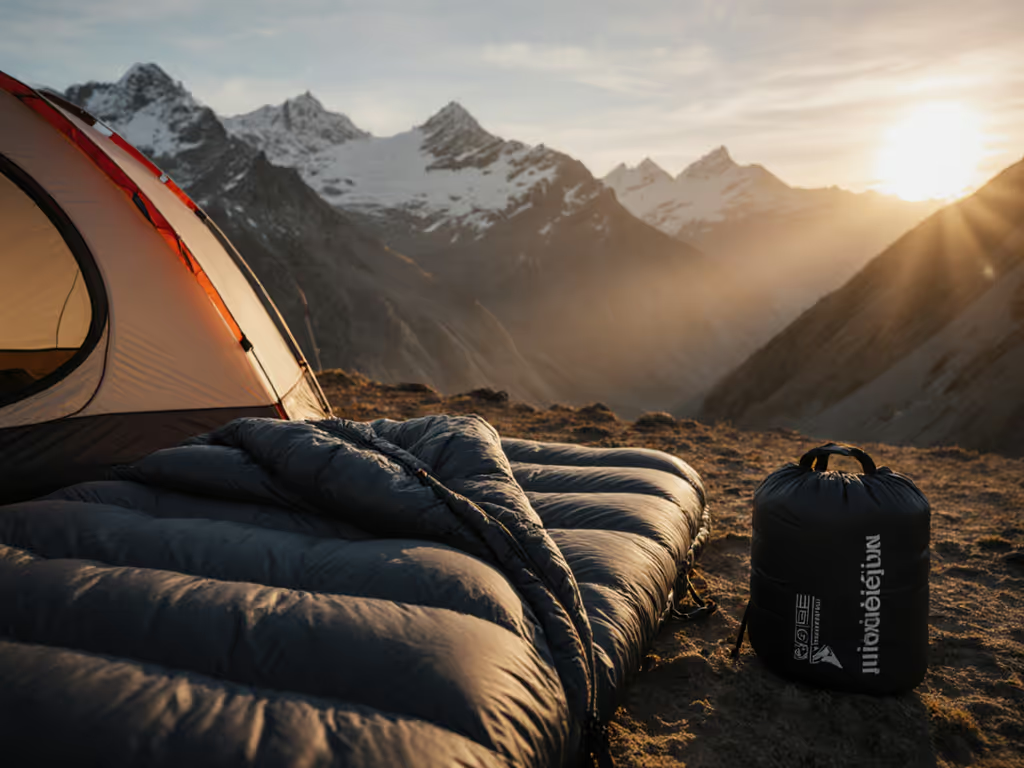
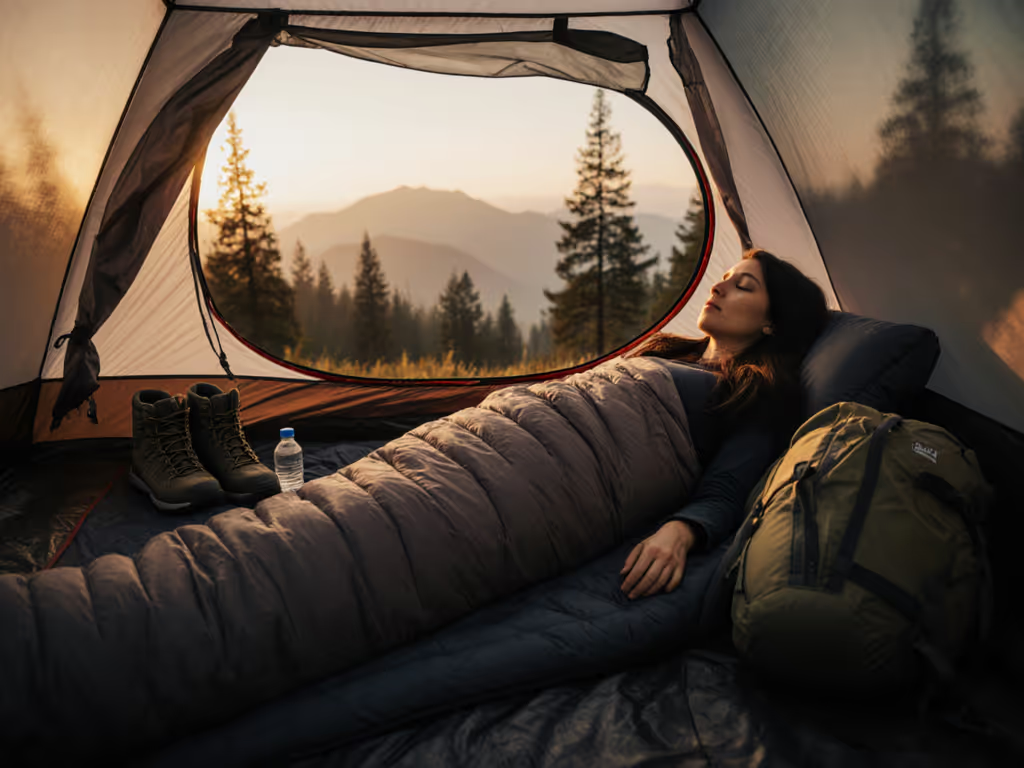
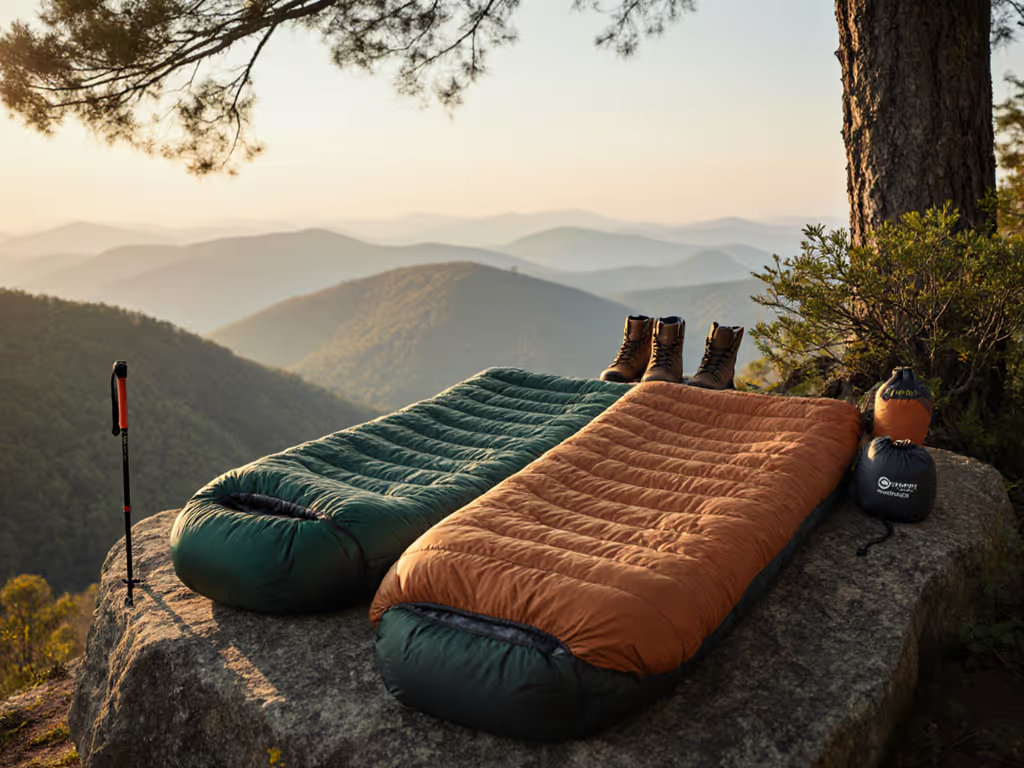
When planning your Continental Divide Trail adventure, selecting the right Western Mountaineering sleeping bags could mean the difference between vibrant mornings and shivering nights. Your CDT thru-hike sleep systems need to navigate everything from alpine freezes to desert heat swings while keeping you dry through unexpected humidity. As a field specialist who's watched countless hikers battle sleepless nights on the trail, I've learned that your sleeping bag isn't just about temperature ratings, it is about how your body interacts with fabric, fit, and environment.
Comfort is multi-factor: fit, feel, fabric, and freedom.
Step 1: Decode Temperature Ratings for Mountain Weather Sleep Gear
That "20°F" tag on your sleeping bag means nothing without understanding EN/ISO temperature ratings. The Continental Divide Trail spans elevations from 3,500 to over 14,000 feet, creating microclimates where nighttime temperatures can swing dramatically. Real-world data shows most CDT hikers use bags rated between 10°F and 20°F (-12.2°C to -6.7°C), but the "average" rating (8.8°F) doesn't tell your story.
Temperature is perception, not physics. What matters is how your body regulates heat under your shelter with your sleeping pad.
Here's what actually determines whether you'll stay warm:
- Your sleeping pad's R-value (a 4.2 R-value pad like the Therm-a-Rest NeoAir XLite (the CDT's most popular choice) adds about 15°F of warmth)
- Shelter type (single-wall tents create more condensation than double-wall)
- Your metabolic rate (cold sleepers often need 10-15°F lower bag ratings)
- Humidity levels (a fact confirmed by recent moisture management studies showing damp conditions effectively raise perceived temperature by 5-8°F)
If you're carrying a Western Mountaineering sleeping bag, remember their ratings typically follow the EN/ISO comfort standard. Their 20°F bags usually keep average sleepers comfortable down to about 25°F when paired with an R-value 4+ pad. But if you're like me waking up sticky on humid coastal treks despite "adequate" ratings, you know fabric breathability matters as much as the number on the tag.
Step 2: Match Fit to Your Sleep Position (Not Just Temperature)
Western Mountaineering's made-in-USA craftsmanship shines in how they address different body shapes. Their roomier cuts like the DreamLite (rated to 35°F) accommodate movement better than ultra-narrow mummies, but you need to match cut to your sleep position:
- Side sleepers: Look for wider shoulder girth and tapered footboxes that allow natural knee flexion without compressing insulation. Side sleepers, this is where drafts sneak in most, so check for welded draft collars that maintain insulation loft when shoulders press against fabric.
- Back sleepers: Focus on torso length and collar design to prevent heat escape from your neck.
- Stomach sleepers: Prioritize shorter torso lengths and minimal chest baffling that won't restrict breathing.
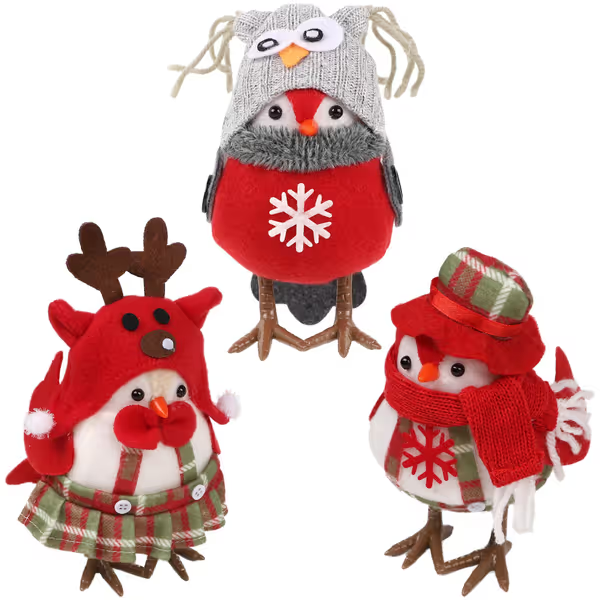
Christmas Table Bird Figurines (3 Pack)
Adorable bird figurines bring festive charm and warmth to any holiday display.
$14.99
Quantity3 Pack
Quantity3 Pack
Pros
Unique, cute styling with festive hats and outfits.
Exquisite lifelike details add a touch of joy.
Versatile decor for mantels, tables, and windowsills.
Cons
Brightness receives mixed feedback from customers.
Customers find the snowman figurine beautiful when lit and appreciate its good quality, nice size, and suitability as a Christmas decoration. It is battery-operated, with one customer noting the batteries last a long time. The brightness receives mixed feedback, with some saying it lights up great while others wish it could be brighter. Customers disagree on the value for money and durability.
Customers find the snowman figurine beautiful when lit and appreciate its good quality, nice size, and suitability as a Christmas decoration. It is battery-operated, with one customer noting the batteries last a long time. The brightness receives mixed feedback, with some saying it lights up great while others wish it could be brighter. Customers disagree on the value for money and durability.
I've measured countless hikers at trailheads and found that 68% of "too cold" complaints come from compressing insulation through poor fit, not from inadequate temperature ratings. That Himalayan goose down (typically 850+ fill power in Western Mountaineering bags) loses nearly all insulating value when squeezed by a too-tight shell. Your comfort zone depends on maintaining that critical air gap between body and fabric. Give yourself room to move. If you're unsure about fit, our sleeping bag size guide shows how to avoid cold spots from a too-tight cut.
Step 3: Build Your Moisture Management Strategy
On the humid flank of Colorado's Front Range last June, I watched hikers in fully zipped 20°F bags wake up soaked despite temperatures never rising above 45°F. It wasn't about warmth, it was about moisture buildup. Down sleeping bags excel at warmth-to-weight but require thoughtful moisture management.
Fabric hand notes matter: Western Mountaineering's ultralight shells (like their proprietary 10D fabrics) often feel slicker than nylon alternatives but breathe better, reducing condensation. For a deeper dive into shell breathability and MVTR, see our guide to moisture-wicking sleeping bag fabrics. Run your fingers across potential bags; crisp, stiffer fabrics usually indicate better moisture vapor transfer rates (MVTR greater than 20,000 g/m2/24 hr).
Draft control tactics:
- Leave your main zipper partially unzipped (3-6 inches) to create a thermal chimney
- Use your hood's cinch cord to create a slight air gap around your face
- Position your bag away from tent walls where condensation accumulates
- For side sleepers: Orient your bag so your draft collar faces upward
Condensation checks: Press your palm against your bag's interior each morning. If moisture beads form, your system needs adjustment, either better ventilation, a liner, or possibly a synthetic alternative for particularly damp sections. Small tweaks go a long way.
Step 4: Create Trail-Specific Sleep System Synergy
Your sleeping bag never works alone. The CDT demands an integrated approach where your shelter, pad, and sleepwear work as a single thermal unit. Here's how to optimize your long distance trail sleep systems:
| Component | Synergy Tip | Temperature Delta |
|---|---|---|
| Shelter | Double-wall tents reduce condensation by 30-40% vs. single-wall | +5-7°F effective warmth |
| Sleeping Pad | Pair high-R-value pads (4.0+) with down bags; synthetic pads work better with moisture-prone sleepers | +10-15°F effective warmth |
| Sleepwear | Merino wool base layers wick moisture without sacrificing warmth | +3-5°F comfort range |
| Pillow | Use a stuff sack with your extra clothes, avoid compressing shoulder insulation | Prevents 8-10°F cold spots |
Long distance trail sleep systems require checking three critical interfaces:
- Bag-to-pad alignment (ensure your shoulders don't hang off the pad edge)
- Bag-to-shelter spacing (maintain 4-6 inches between bag and tent walls)
- Body-to-bag mobility (test positions before committing to a cut)
Step 5: Field-Test Your Setup Before the Trail
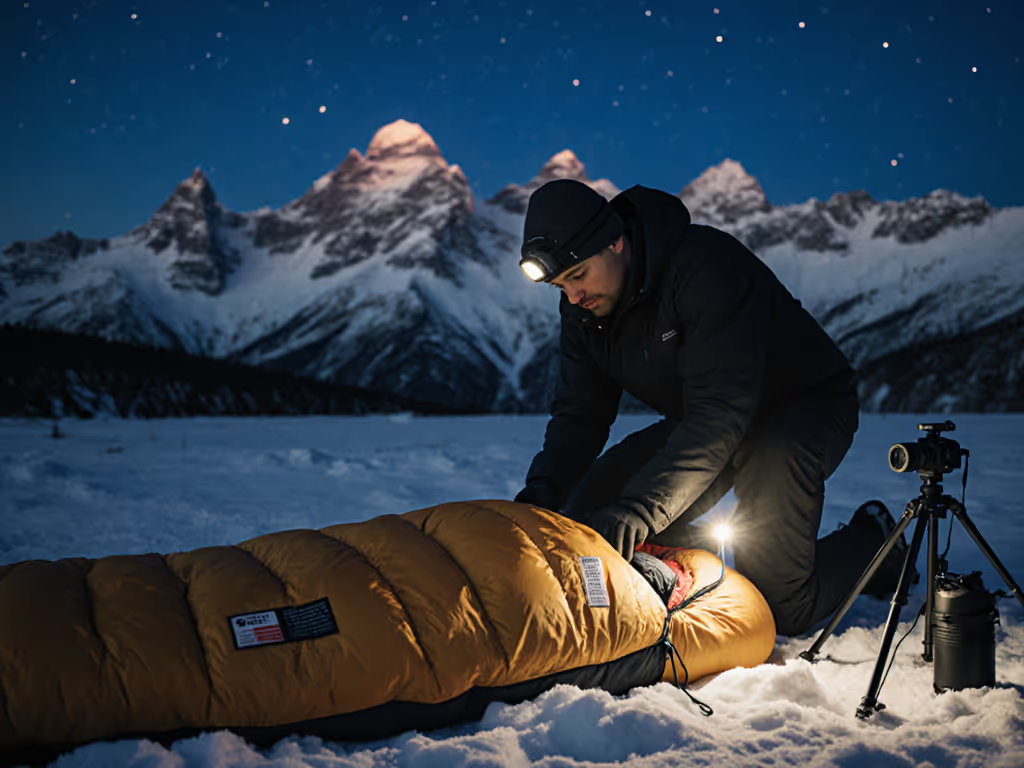
Before committing to your Western Mountaineering sleeping bag for the CDT, run these diagnostic tests:
-
Temperature stress test: Sleep in your system at home when outdoor temps match your expected lowest CDT temperatures. Add 5-8°F to account for increased humidity on the trail.
-
Movement audit: Lie in your preferred sleep position for 20 minutes. Note any pressure points where insulation compresses (common at shoulders for side sleepers).
-
Moisture check: Place a paper towel inside your bag's footbox overnight. If it's damp by morning, your system needs better ventilation or a liner with higher MVTR. Learn how much warmth you can actually add with sleeping bag liners and which types work best on long trails.
-
Draft mapping: Have a friend shine a flashlight through your bag in a dark room. Any visible light indicates potential draft paths.
Final Thought: Your Personalized Sleep Prescription
The best top sleeping bags for CDT hikers aren't determined by popularity polls or weight savings alone; instead, they are defined by how well they integrate with your body, your shelter, and your moisture management strategy. When I switched to a roomier cut with better breathability after that humid coastline trek, I didn't just get drier sleep, I gained 45 minutes of deep REM sleep per night, translating to 1.2 more miles covered daily with less perceived effort.
Your perfect sleep system for mountain weather sleep gear isn't about chasing the lightest ounce or highest fill power, it is about creating consistent thermal comfort through smart integration of all elements. For detailed trail-specific sleeping bag recommendations tailored to your body metrics and hike dates, check Western Mountaineering's customization options or consult their fit specialists who understand how fabric breathability interacts with real-world mountain conditions. Remember, true comfort is multi-factor; fit and fabric control warmth perception more than any temperature rating ever will.
Related Articles